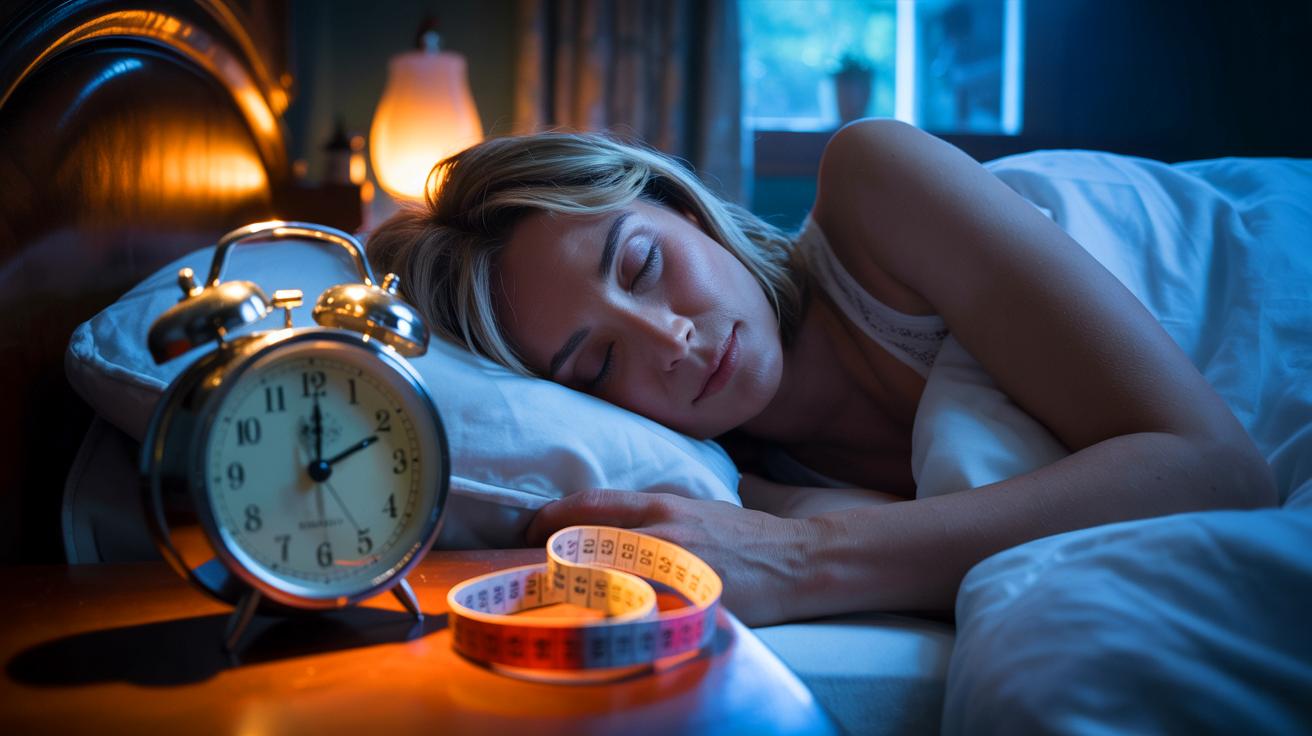
In a nutshell
- 😴 Add one hour of consistent sleep (7–9 hours) to curb cravings, stabilize blood sugar, and create a hormonal environment that favors less belly fat.
- 🧬 Sleep rebalances ghrelin, leptin, and lowers cortisol, improving insulin sensitivity—key drivers behind central (visceral) fat storage.
- 🕒 Earlier, regular bedtimes reduce late-night eating and align your circadian rhythm, helping the body burn rather than store fat.
- 🔧 Practical steps: set a bedtime alarm, limit blue light, cool/darken the room, cut caffeine 6–8 hours before bed, and track waist measurements.
- ⚠️ Expect benefits within weeks; watch for sleep apnea signs (snoring, morning headaches). Consistency—not dieting or exercise—is the lever.
What if the fastest way to shrink your waistline didn’t involve a treadmill or a calorie tracker? A growing body of research points to a deceptively simple lever: sleep. Add a little more of it, at the right time, and your body shifts from fat storage mode to fat-burn favoring mode. No diet rules. No gym routine. Just a small nightly reset. For Americans juggling long days and glowing screens, this tweak is both practical and powerful. It targets the stress and hunger hormones that push fat to the midsection, helping you wake up leaner in spirit—and, over time, in inches.
The Small Change: Add One Hour of Consistent Sleep
The intervention is refreshingly modest: go to bed earlier and aim for a consistent window of 7 to 9 hours. That’s it. Not a cleanse. Not a boot camp. A single extra hour, kept steady across the week, slows late-night cravings, steadies blood sugar, and reduces the stress signals that tell your body to stash energy in the abdomen. Consistency is the multiplier. Your metabolism loves predictability, and a stable sleep schedule aligns internal clocks that govern hunger, fat storage, and daytime energy.
Short sleep is linked to increased ghrelin (the “I’m hungry” hormone) and reduced leptin (the “I’m full” signal), which can add hundreds of extra calories to a day without you noticing. Crucially, this pattern pushes fat toward the belly, where visceral fat wraps organs and raises health risks. Restoring sleep doesn’t melt pounds overnight, but it creates a hormonal environment where your body naturally defends a healthier waistline.
Think of it as flipping a nightly switch from storage to balance. In real life, people report fewer nighttime snacks, steadier morning hunger, and less 3 p.m. crash. Over weeks, that translates into smaller portions without white-knuckling willpower—and a tape measure that finally budges.
Why Sleep Targets Belly Fat, Not Just Weight
Belly fat behaves differently. It’s metabolically active and sensitive to stress hormones like cortisol. When you’re sleep-deprived, cortisol stays elevated longer, nudging the body to store fat centrally. At the same time, reduced insulin sensitivity makes it harder to shuttle glucose into muscles, encouraging the body to convert excess energy into fat. Sleep repairs those pathways. Longer, higher-quality sleep quiets cortisol, improves insulin action, and rebalances appetite signals, which collectively reduce the conditions that grow visceral fat.
There’s also a timing effect. Late nights often mean late eating, and circadian biology shows that we process food less efficiently after dark. Pushing bedtime earlier curbs the window for mindless snacking and aligns digestion with daylight hours, when metabolic machinery runs best. The result isn’t just fewer calories—it’s a smarter rhythm that favors fat oxidation instead of storage.
| Change | Target | Rationale | What You Might Notice |
|---|---|---|---|
| Sleep duration | +1 hour nightly | Lower cortisol, better insulin sensitivity | Fewer cravings, steadier energy |
| Sleep timing | Fixed bedtime/wake time | Aligned circadian rhythm | Less late-night snacking |
| Sleep quality | Cool, dark, quiet room | Deeper restorative sleep stages | Improved mood and focus |
Practical Steps to Make the Shift Tonight
Start with a bedtime alarm. When it chimes, dim screens and lights. Blue light delays melatonin, your body’s sleep signal, which can push eating and blood sugar peaks into the night. Set your thermostat to 65–68°F, keep the room dark, and consider a white-noise app. These small cues help you fall asleep faster and reach deeper sleep—where recovery happens. No calorie counting. No gym bag. Just a sequence that tells your brain it’s time.
A caffeine cutoff six to eight hours before bed helps, as does swapping late-night alcohol for a non-alcoholic sipper; alcohol fragments sleep and can increase overnight blood sugar swings. If late hunger hits, plan a balanced, earlier snack—protein plus fiber—so you’re not negotiating with cravings at 11:30 p.m. Weekends count, too. Keep your wake time within an hour of weekdays to avoid “social jet lag,” which can undo progress.
Track a few simple metrics: bedtime, wake time, average sleep hours, and a weekly waist measurement at the navel. Data keeps the change honest. As sleep consolidates, you’ll notice appetite calming and decision-making around food getting easier—without forcing it.
What to Expect: Timeline, Safety, and Red Flags
Within a week, many people feel more alert, snack less at night, and wake with steadier hunger. Two to four weeks in, appetite and cravings often stabilize, and some see a modest drop in waist circumference. The biggest changes accrue over months as hormone patterns normalize and your circadian rhythm strengthens. Sleep is not a magic wand, but it’s a powerful foundation for losing belly fat without “dieting” or “exercise” plans.
There are caveats. Loud snoring, witnessed apnea, morning headaches, or unrefreshing sleep despite enough hours suggest possible sleep apnea; talk to a clinician, because treating it can rapidly improve weight regulation. Shift workers can still benefit by anchoring the longest sleep block at a consistent time and wearing light-blocking gear. If anxiety spikes at night, a brief wind-down routine—breathing, journaling, or a warm shower—can lower arousal and help sleep come easier.
Measure progress beyond the scale: waist size, energy, mood, focus. And give yourself grace. Life happens. The win is returning to your routine the very next night.
One hour more sleep, held steady, won’t upend your day. It trims cravings, steadies hormones, and quietly leans your metabolism away from belly fat. You’ll eat more sanely without trying, choose better without bargaining, and find energy showing up in unexpected ways. It’s the rare health move that costs nothing and pays daily dividends. Ready to test it for two weeks—set a bedtime alarm tonight, and see what your waist and mornings tell you? What will your first small step be?
Did you like it?4.4/5 (26)
Setting a bedtime alarm tonight! Cutting caffeine after 2 p.m., dimming screens, and cooling the room. Curious how many weeks until the tape shows change for most people?
If I work night shifts, how would you adjust the sleep window to still help the waist? Anchor the longest block, or split it into two chunks?
So my abs were hiding behind Netflix all along. If I swap doomscrolling for zzz’s, do I earn breakfast victories by default, or just fewer midnight raids?
Loved the practical tips—cool room, darker lights, caffeine cutoff. Printing this to stick on my fridge. Any sample wind-down routine for anxious nights that takes under ten minutes?
Been pushing 5–6 hours for years; last week I hit 8 nightly and my late-night snacking vanished. Waist tape moved a half inch. Wild, and I feel calmer.
Quick Q: is a 20-minute afternoon nap helpful or does it mess with the circadian rhythm you’re talking about? Trying to nudge cortisol down without wrecking nighttime sleep.
Adding one hour of sleep feels like the laziest life hack ever, and I am here for it 🙂 Bedtime alarm set; blue light glasses ready.
Any tips for parents with toddlers who wake up at randmom hours? Consistency is hard, but I can atleast control caffiene and lights.
Love the idea of tracking waist at the navel. Do you recommend morning measurements only, or weekly averages to smooth fluctuations from salt and hormones?
This explains the 3 p.m. crash so well—ghrelin and leptin finally make sense. Going earlier to bed tonite and ditching the second latte after lunch.