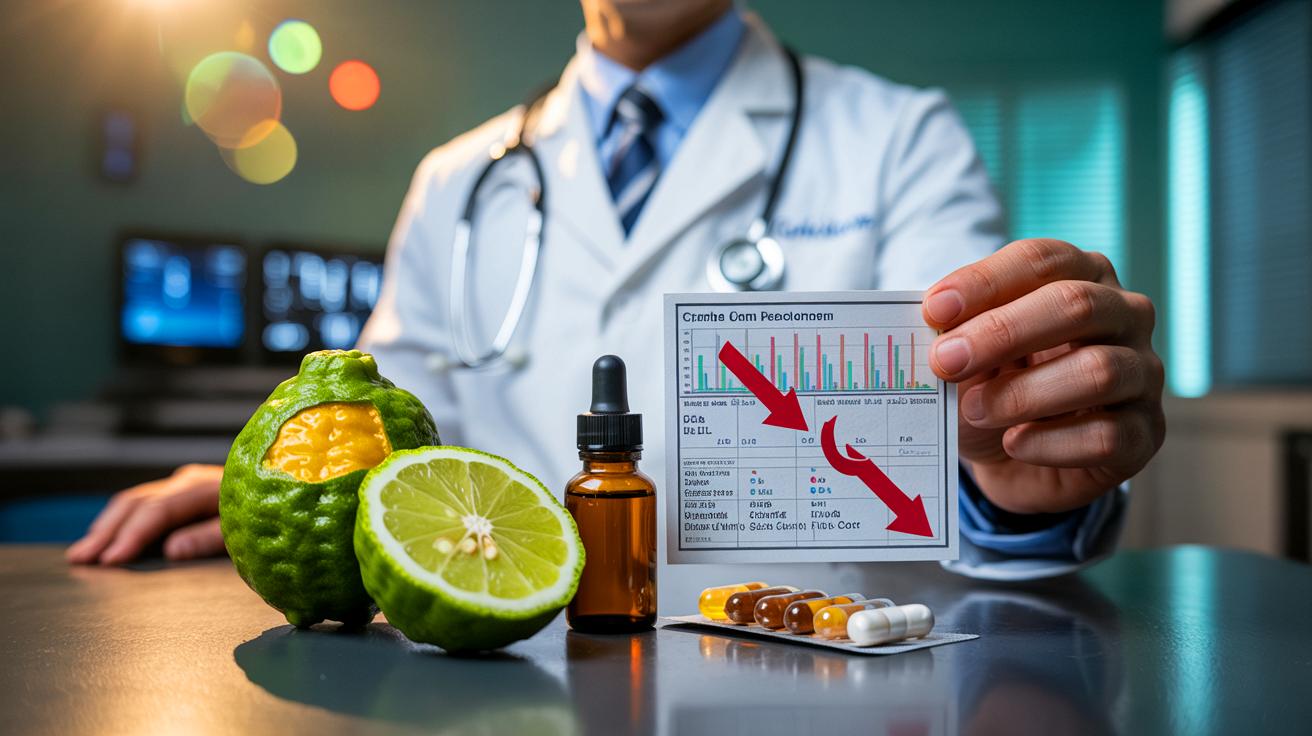
In a nutshell
- 🩺 Doctors report Calabrian bergamot extract can lower LDL by 15–35% and triglycerides within 2–6 weeks; choose standardized products with brutieridin and melitidin.
- 🧠 Mechanism: polyphenols partially inhibit HMG‑CoA reductase, upregulate LDL receptors, and reduce LDL oxidation—designed to complement statins, not replace them.
- 📊 Evidence: Italian studies show 20–35% LDL reductions over 4–12 weeks, with early changes by weeks 2–3; for some, speed rivals low–moderate doses of statins.
- 🛡️ Safety & dosing: use standardized BPF at 500–1,000 mg/day; start low and recheck labs in 4–8 weeks; seek guidance if pregnant, have liver disease, or take interacting meds.
- 🥗 Practical plan: pair bergamot with soluble fiber, olive oil, and exercise; pick third‑party tested brands; monitor non‑HDL cholesterol and apoB for a fuller risk picture.
Urgent claims about miracle foods usually don’t survive scrutiny. This one is different. In cardiology clinics from Miami to Minneapolis, physicians are pointing to a very specific citrus—Calabrian bergamot (Citrus bergamia)—and patient bloodwork that changed in weeks, not months. No hype, just lab values and cautious enthusiasm. Bergamot is the fragrant fruit behind Earl Grey’s signature aroma, but in concentrated form it carries a payload of cholesterol‑active polyphenols unique to the species. Doctors confirm they’re seeing LDL and triglycerides fall faster than with common diet tweaks and, in some cases, rivaling low‑dose medication timelines. It’s not a license to ditch statins. It is a compelling, credentialed development—and a Mediterranean secret stepping into the American spotlight.
What Doctors Are Seeing With Bergamot
In small trials and real‑world practice, physicians report that LDL cholesterol often drops within four to six weeks of starting bergamot polyphenolic extract. Numbers vary by dose and baseline risk. But the pattern is hard to ignore: 15–30% reductions in LDL, double‑digit declines in triglycerides, and modest bumps in HDL. These shifts mirror what patients feel—more energy, fewer post‑meal crashes—though the lab slip tells the truer story. Clinicians stress that the fruit isn’t magic; it’s meticulously standardized extract, taken consistently, layered atop diet and movement.
What’s striking is the speed. Early responders show measurable change at two to three weeks, with fuller impact visible by eight. For a primary‑care doctor titrating therapies over 90‑day cycles, that acceleration matters. It can reduce anxiety, sustain adherence, and, crucially, move high‑risk patients away from the cliff edge sooner. Still, physicians warn that not all products labeled “bergamot” are equal. Look for extracts with defined levels of brutieridin and melitidin—the flavonoids linked to lipid improvements. And always, they add, match the approach to the patient: history, risk profile, and current medications first.
How This Fruit Works Inside Your Arteries
Bergamot’s power lies in a dense matrix of polyphenols that appear to act on multiple lipid pathways at once. Lab studies indicate partial inhibition of HMG‑CoA reductase, the same enzyme targeted by statins, but at a gentler clip. Simultaneously, the extract seems to upregulate LDL receptors on liver cells, pulling more cholesterol from circulation. Add in antioxidative effects that reduce LDL oxidation, and you have a multipronged intervention: less production, more clearance, better particle quality. That trifecta explains the quick readouts many clinicians report.
The key distinction: synergy, not sledgehammer. Medications are potent and essential for many patients, especially those with very high LDL or known cardiovascular disease. Bergamot doesn’t replace them; it can complement them—sometimes allowing lower doses, sometimes filling a gap for statin‑intolerant patients who need another route. Physicians also highlight the gut angle. These polyphenols appear to influence bile acid metabolism and the microbiome, secondary levers that subtly reshape lipid handling. It’s a sophisticated choreography, and while researchers are still mapping each step, the clinical footprints are already visible.
What the Science Says: Speed and Scale of Change
Peer‑reviewed studies—mostly from Italy, where bergamot grows—document LDL reductions of 20–35% over 4–12 weeks with standardized extracts, alongside triglyceride drops and improved non‑HDL cholesterol. Some trials compare favorably with low‑to‑moderate statin doses, particularly in statin‑intolerant cohorts. These are not mega‑trials. Sample sizes are modest, designs vary, and quality ranges from open‑label to randomized. Still, directionally, the signal is consistent and clinically meaningful. The headline isn’t that bergamot “beats” drugs; it’s that this fruit can change numbers fast enough to matter, and sometimes as quickly as first‑line medications.
| Intervention | Typical LDL Change (4–8 weeks) | Time to First Change | Key Notes |
|---|---|---|---|
| Bergamot extract (BPF) | −15% to −35% | 2–3 weeks | Polyphenols: brutieridin, melitidin; may raise HDL |
| Statin (low–moderate dose) | −20% to −45% | 1–2 weeks | Most robust outcome data; standard of care for high risk |
| Avocado‑rich diet | −5% to −13% | 3–6 weeks | Monounsaturated fats; excellent adjunct to therapy |
Doctors emphasize context. If your LDL is 190 mg/dL with a family history of early heart disease, medication remains foundational. If you’re borderline or statin‑intolerant, bergamot may be a rapid, evidence‑aligned option to discuss. Either way, confirm the product’s standardization and monitor labs at 4–8 weeks.
How to Use It Safely: Fruit, Juice, or Extract?
Whole fruit and marmalades are flavorful but inconsistent. Clinical data center on standardized extracts, often labeled “BPF” or “bergamot polyphenolic fraction,” typically 500–1,000 mg daily in divided doses. That standardization delivers predictable levels of the active flavonoids. Start low, test bloodwork at a month, and adjust with your clinician. Patients with liver disease, those who are pregnant, or anyone on complex medication regimens should seek medical guidance first. While bergamot is not grapefruit, caution is wise for drugs with narrow therapeutic windows; report supplements to your pharmacist.
Pair the extract with a heart‑smart pattern: soluble fiber from oats and apples, plant sterols, olive oil, leafy greens, and regular movement. Small choices compound. So does consistency. Many doctors also recommend tracking non‑HDL cholesterol and apoB, not just LDL, to capture the full atherogenic picture. Quality matters too. Choose brands that publish third‑party testing and polyphenol content on the label. If you notice digestive upset or unusual muscle aches, pause and call your clinician—rare, but worth vigilance.
Bergamot won’t rewrite cardiology on its own, but it adds a potent tool to the prevention kit—and it does so quickly enough to change the clinical conversation. The upshot: a fruit‑derived extract that can move LDL, triglycerides, and HDL in weeks, often faster than diet alone and, for some, as fast as first‑line medication. For patients seeking momentum without abandoning proven therapies, that’s news worth acting on carefully. If your next lipid panel is coming due, what plan—food, movement, medication, and perhaps bergamot—will you design with your doctor to hit your numbers and keep them there?
Did you like it?4.7/5 (20)
Wow, this makes the timelines crystal clear. So it’s the standardized bergamot extract doing the heavy lifting, not tea or marmalade—got it. Appreciated the 2–6 week expectations and monitoring tips. Printing for my next checkup 🙂
For someone already on a low-dose statin, would 500 mg/day of BPF be a reasonable start, or is 1,000 mg better? How soon should labs be rechecked, and are there known interactions with antihypertensives or thyroid meds?
So my Earl Grey obsession finally counts as cardio support? Asking for a friend who may or may not be a tea kettle. If it’s the extract, can “bergamont” tea still help a tiny bit, or just for vibes?
Started a BPF supplement at 500 mg after dinner, added oats and walks. By week 4 my labwork was already better—LDL down, trigs down. Didn’t change meds. Feeling more steady after meals too; realy appreciate the practical plan here.
Thx for the thourough breakdown. Can you reccomend any third‑party tested brands that list brutieridin/melitidin on the label, or at least what certifications to look for when shopping online?
Love the emphasis on non‑HDL and apoB. If someone’s non‑HDL improves but apoB barely moves after 8 weeks on bergamot, would you adjust dose, switch product, or focus more on soluble fiber and weight training first?
This is the kind of measured, clinic‑level insight that helps me take action. I’m bookmarking the 4–8 week lab window and the note about liver history. Thanks for keeping it balanced without the hype or fearmongering.
Gonna try a standardized extract, pair with oats, olive oil, and nightly walks. Any tips on best time of day for dosing? Also, how do I verify the polyphenol content on the lable—email the company or what?