In a nutshell
- 🧽 Experts warn the kitchen sponge is a “moist incubator,” cultivating resilient biofilms that spread microbes and quietly undermine your immune system.
- 🦠 Repeated low-level exposure to kitchen-borne pathogens can fuel inflammation, fatigue, and gut disruption, posing higher risks for pregnant people, older adults, children, and the immunocompromised.
- 🚫 Popular hacks like microwaving sponges are inconsistent; prioritizing thorough drying, rotation, and frequent replacement is far more effective.
- 🧼 Expert-backed routines work: switch to quick-dry dish brushes, brief bleach soaks for tools, hot-wash and fully dry dishcloths, and let everything air-dry vertically.
- 🔁 Reduce cross-contamination by using separate tools for raw proteins, cleaning high-touch areas last, and running dishwasher-safe tools on a hot cycle with heated dry.
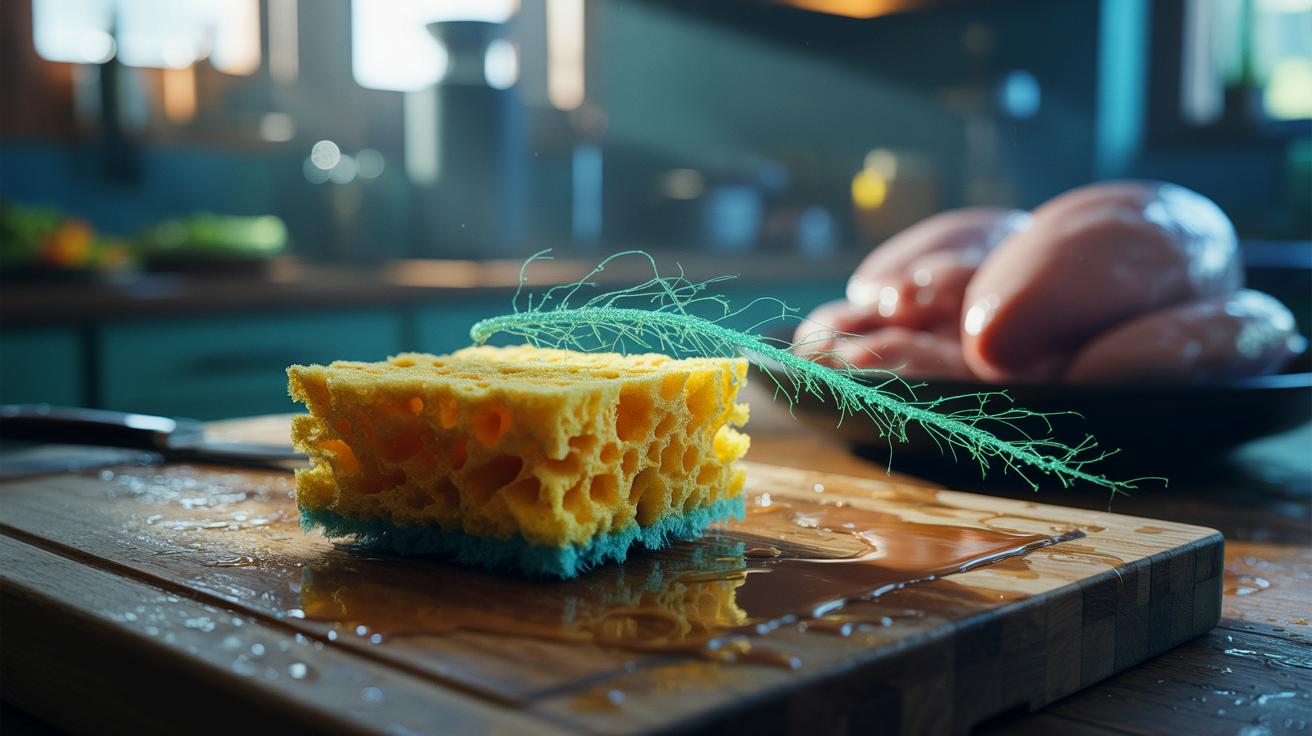
Every flu season, we stock up on citrus, sip bone broth, and Google “best immune boosters.” Yet many immunologists and food safety experts point to a quieter saboteur hiding in plain sight: the kitchen sponge. That palm-sized pad can teem with bacteria and biofilms, then redeposit them on plates, cutting boards, and even your hands. The science is simple, and unsettling. Warmth, moisture, and food residue turn sponges into microbe condos. When a cleaning tool becomes a contamination tool, your defenses pay the price. The result isn’t always dramatic food poisoning—often it’s a steady nudge against the immune system you’re trying to protect.
The Hidden Threat in Your Kitchen Sponge
Experts call the sponge a “moist incubator.” It’s porous. It clings to crumbs and grease. It rarely dries out. That trifecta creates a perfect habitat for pathogenic bacteria, including strains linked to gastrointestinal distress. Over days, a sticky biofilm forms—an organized community of microbes that shelters residents from heat and detergents. The kicker: wiping a counter with a contaminated sponge can spread those microbes across wide surfaces in seconds. What looks like cleaning is sometimes just redistribution. Even a quick rinse with hot water won’t fix it. Heat dissipates fast, and biofilms hang on.
Why does this matter for immunity? Because your first line of defense—skin, gut, and mucosal barriers—depends on low microbial load and a stable microbiome. Small, repeated exposures from a dirty sponge can irritate that balance. For healthy adults, the outcome might be “mystery” stomach upset or a run of low-energy days. For high-risk groups—pregnant people, older adults, young children, and the immunocompromised—the stakes rise. Preventable exposure is still exposure. The microscope can’t ride shotgun in your sink, but your routine can.
There’s also the psychology of cleanliness. A fresh-smelling sponge signals “safe,” yet scent masks reality. Some popular “hacks” backfire. Microwaving a sponge can be inconsistent, scorch-prone, and leaves cold spots where bacteria survive. A better approach? Replace or rotate. Dry thoroughly between uses. And rethink the tool altogether.
How a Dirty Sponge Undercuts Immune Defenses
Your immune system triages threats. When it’s dragged into frequent skirmishes—say, after low-level exposure to kitchen-borne microbes—it diverts energy. That can mean more inflammation, slower recovery from minor illnesses, and a gut that feels off. Foodborne pathogens don’t always trigger dramatic symptoms; they can present as fatigue, mild cramps, or a daylong slump. Chronic, preventable irritation is not a resilience plan. The gut’s immune network is massive, and its crosstalk with the microbiome is sensitive to repeated microbial insults from contaminated tools and surfaces.
There’s a second pathway: cross-contamination. Wipe a cutting board after prepping raw poultry, then swipe the sink faucet or a kid’s lunchbox. You’ve just extended the microbial highway. In homes where someone has allergies, asthma, or is undergoing chemotherapy, clinicians often recommend reducing unnecessary pathogen exposure precisely to minimize immune overactivation. Keeping the kitchen’s “cleaning vectors” truly clean is a simple, high-yield step.
Consider the stress effect. Illness, even mild, disrupts sleep, appetite, and hydration—pillars of immune strength. If your sponge is acting like a stealth delivery device for pathogens, your immune system is forced into constant response mode. That’s avoidable. And encouragingly, the fix is not exotic or expensive. It’s procedural: swap tools, adjust drying, and set a replacement cadence you can remember without thinking.
Fix It Fast: Expert-Backed Habits That Work
The goal is to break the moisture-and-time cycle microbes love. First, consider ditching the sponge for a quick-dry brush with stiff bristles and a ventilated holder. Brushes shed water faster, reducing microbial growth. If you keep a sponge, buy thin ones, rotate multiple units, and let each dry fully between uses. Use a bleach solution (1 tablespoon per quart/liter of water) for brief soaks on non-metal tools, then rinse and air-dry vertically. Launder dishcloths on hot with detergent and machine-dry fully. Drying is disinfection’s silent partner. Without it, sanitizing steps lose much of their punch.
Set simple rules you’ll actually keep. Replace sponges weekly, or sooner if they stay damp or smell. Reserve one tool for raw proteins, another for general dishes. Clean sinks, faucets, and handles last, using a separate cloth that’s washed daily. If your tools are dishwasher-safe, run them through a hot cycle with heated dry. And post a small reminder near the sink—habits stick when they’re visible.
| Tool/Method | What To Do | Why It Helps |
|---|---|---|
| Sponges | Rotate daily; replace every 7 days | Limits biofilm buildup and spread |
| Dish Brushes | Air-dry bristles upright; dishwasher weekly | Faster drying lowers microbial load |
| Dishcloths | Hot wash after each day of use | Removes residues that feed bacteria |
| Sanitizing | Brief bleach soak; thorough rinse; dry | Kills microbes, drying prevents regrowth |
The bottom line is disarmingly simple: the wrong cleaning tool can unclean your kitchen. A perpetually damp sponge doesn’t just smell odd—it can press a hidden thumb on your body’s defenses day after day. Shift the tools, change the cadence, and let drying do its quiet, powerful work. Small, consistent hygiene wins compound into real immune advantages. It takes minutes, not hours, and costs less than a latte each week. Tonight, will you retire the sponge, set a replacement rule, or try a quick-dry brush and see how much cleaner your clean can be?
Did you like it?4.5/5 (22)
Wow, I never thought the sponge could be the weak link. Thanks for spelling out the rotation and drying steps—weekly replacement and vertical air-dry are going on my fridge tonight.
If I switch to a dish brush, how often should I run it through the dishwasher, and does the heated dry matter as much as you suggest?
So my sponge is basically a tiny gym for bacteria doing squats on my countertops—great. Retiring it tonight and promoting the brush to manager. Wish me luck! 🙂
I started rotating thin sponges and letting them dry upright last month. My kid’s random tummy aches have dropped off. Might be coincidence, but the routine is easy enough to keep.
Pro tip from a restaurant kitchen: label sponges with the day of the week and toss them at closing. Home version—set a calender reminder so you don’t forget the swap.
This is the first explanation that connected sponges, biofilms, and feeling run-down. I’m buying a ventilated holder and bleach today; drying as “silent partner” really clicked for me.
We’ve got a newborn at home, so I appreciate the high-risk notes. Any advice for sanitizng bottle brushes without ruining them, or is hot dishwasher cycle enough?
Microwaving always felt sketchy. Thanks for clarifying why it leaves cold spots. Do you have a safe ratio for a brief bleach soak on non-metal tools?
Just told my partner we’re breaking up with Mr. Sponge. He’s clingy, damp, and full of drama—classic red flags. Dish brush is the rebound we deserve 😉
Posting a reminder by the sink tonight: separate tools for raw proteins, clean high-touch areas last, and run brushes through hot cycle weekly. Simple, doable, and way less gross.
Is there any point in using those copper scrub pads, or do they hold onto gunk the same way? Trying to avoid biofilm build-up but not sure what’s best tbh.
Thank you for the clear, non-scary steps. Replacing weekly and drying vertically feel manageable, and I love the emphasis on habits over gadgets.
Confession: I used to keep one sponge for, like, months. Today I bought thin ones and a bristle brush, plus a vented holder. Consider me conveted to the dry-first club.
As someone with autoimmune issues, the idea of reducing needless immune skirmishes makes sense. I’ll rotate tools, hot-wash cloths daily, and quit wiping the faucet with the same sponge.