In a nutshell
- 🥤 A simple warm Lemon–Beet–Turmeric Tonic—with a pinch of black pepper—supports hydration, encourages bile flow, and delivers antioxidants (betalains, curcumin) for a gentler, liver-friendly start than coffee or tea.
- ⏰ How to use it: 10–12 oz warm water + 1/2 lemon juice + 2–4 oz beet juice (or 1 tsp beet powder) + 1/8 tsp turmeric + pepper; drink on an empty stomach 15–30 minutes before breakfast and push coffee 60–90 minutes later.
- 🧪 Science snapshot: Your liver already detoxifies; drinks don’t “flush toxins,” but nutrients can aid pathways. Curcumin shows moderate evidence for enzyme support; beet betalains fight oxidative stress; hydration remains the universal lever, with coffee also showing liver benefits.
- ⚠️ Caution: Consider risks with gallstones, high oxalates (kidney stones), anticoagulants or diabetes meds, CKD, GERD, pregnancy; start small and monitor for adverse symptoms.
- ✅ Bottom line: A consistent, hydration-first ritual can steady energy, digestion, and focus—cheap, quick, repeatable—making this tonic a smart experiment for the next two weeks.
Morning rituals are stubborn. The mug, the steam, the promise of focus. Yet an old newsroom trick I picked up on deadline mornings wasn’t coffee or tea at all—it was a simple tonic aimed at giving the liver a gentler, steadier start. Think bright citrus, earthy beet, a whisper of turmeric, and plenty of water. It’s not flashy. It is consistent. No single beverage literally “detoxes” you—the liver does that job every minute, every day. But the right morning drink can support hydration, bile flow, and antioxidant capacity, setting the tone for better metabolic housekeeping. Here’s the blend many nutrition-forward clinicians recommend, and why it may outshine your usual brew.
What Is the Liver-Cleansing Morning Drink?
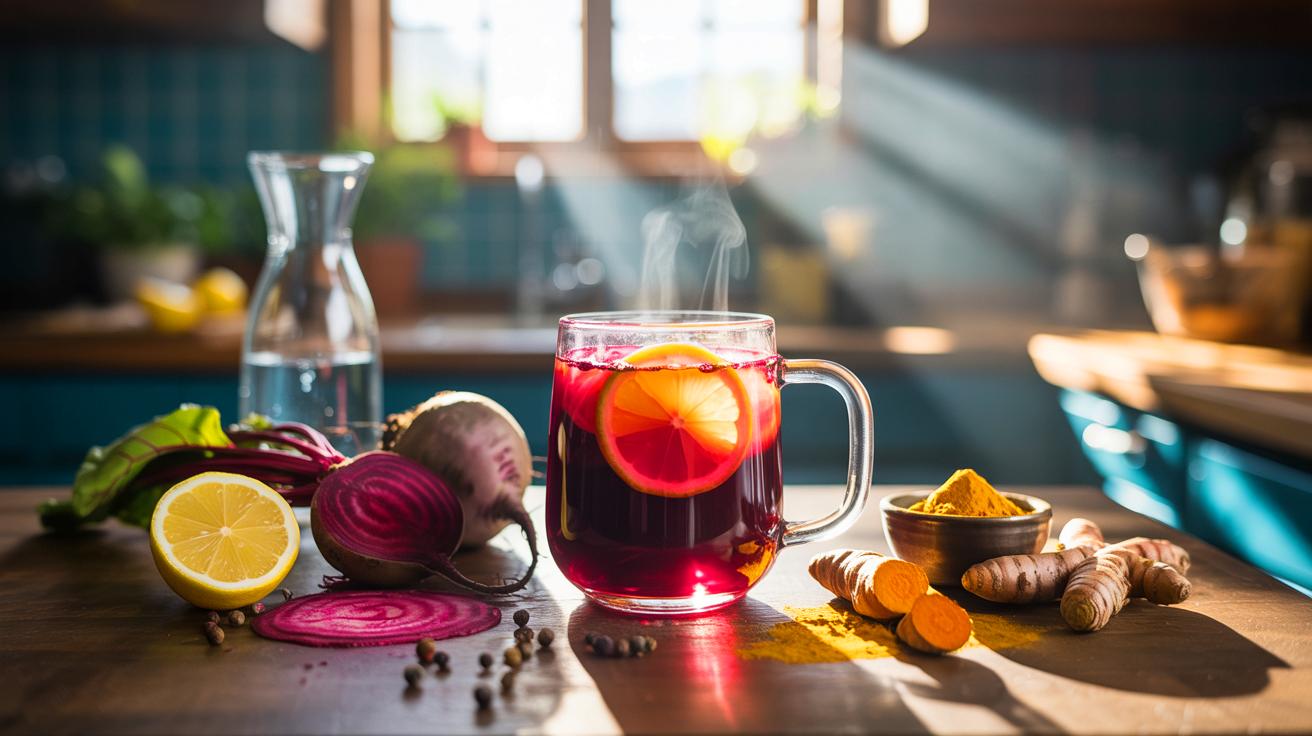
Call it a warm Lemon–Beet–Turmeric Tonic. It’s a glass of warm water with the juice of half a lemon, 2–4 ounces of unsweetened beetroot juice (or 1 teaspoon beet powder), a pinch of turmeric, and a crack of black pepper. Add a small pinch of mineral salt if you sweat heavily or exercise early. Hydration primes the liver’s traffic lanes; citrus may nudge bile flow; beetroot brings betalain antioxidants; turmeric contributes curcumin, a well-studied anti-inflammatory. The flavor? Bright, slightly sweet, faintly spicy. Quick to make. Kinder on your adrenals than caffeine, especially if mornings make your heart race.
| Component | Key Compounds | Potential Liver-Related Action | Evidence Strength |
|---|---|---|---|
| Warm water | — | Hydration, supports bile viscosity | Strong (foundational physiology) |
| Lemon juice | Citric acid, hesperidin | Bile stimulation, antioxidant support | Emerging |
| Beetroot | Betalains, nitrates | Oxidative stress defense; possible enzyme support | Moderate |
| Turmeric | Curcumin | Anti-inflammatory, potential ALT/AST improvements | Moderate |
| Black pepper | Piperine | Curcumin bioavailability enhancement | Strong (for absorption) |
Hydration plus targeted phytonutrients often delivers a smoother metabolic lift than caffeine-first mornings. That’s the quiet power here.
Why These Ingredients Matter
Let’s start simple: water. Overnight, your body loses fluid through breathing and sweat. Thick bile can move sluggishly. A warm glass thins it out, supporting the liver–gallbladder partnership that helps shuttle fats and waste products. Lemon contributes citric acid and flavonoids like hesperidin, studied for antioxidant and vascular benefits. The tartness also nudges the vagus nerve—a nudge that can signal the gut to get moving. Small thing, big cascade.
Then there’s beetroot. Its ruby pigments, betalains, are potent free-radical scavengers. Nitrates in beets improve nitric oxide availability, which may enhance blood flow through hepatic microvasculature. Turmeric’s star, curcumin, shows promise in research for modulating liver enzymes and tamping down low-grade inflammation that stresses hepatocytes. Black pepper’s piperine dramatically improves curcumin absorption—think multiplier effect, not garnish. No, it’s not a miracle potion. But for people who find coffee aggravates reflux, spikes jitters, or tanks cortisol rhythm, this tonic often delivers steadier energy and gentler digestion. And while coffee does have documented liver benefits, this blend shines for caffeine-sensitive mornings and for hydration-first discipline.
How To Make It and When To Drink It
Recipe, fast: Warm 10–12 ounces of water to a comfortable sip. Stir in the juice of 1/2 lemon, 2–4 ounces beet juice (or 1 teaspoon beet powder), 1/8 teaspoon ground turmeric, and a few grinds of black pepper. Taste. If you’re new to beets, start with less and scale up over a week. Optional boosts: a slice of fresh ginger for motion-friendly warmth; a teaspoon of chia seeds if you want gentle fiber; a few granules of sea salt if you’re a morning runner. Keep it unsweetened. Your liver prefers clean inputs at daybreak.
Timing matters. Drink it on an empty stomach, 15–30 minutes before breakfast. Warm—not boiling—protects lemon’s aromatics and is kinder to enamel and the gut. If you worry about acidity, sip through a straw and rinse with plain water afterward. Keep coffee if you love it; just push it later by 60–90 minutes to allow hydration and this phytonutrient wave to land first. The win is not perfection—it’s a repeatable, low-friction habit.
What Science Actually Says About Liver “Detox”
The straight story: your liver already detoxifies you via phase I and phase II pathways—transforming, binding, and escorting compounds out. Drinks don’t “flush toxins” the way marketing suggests. They can, however, supply substrates and conditions that make the liver’s work less arduous. In small randomized and observational studies, curcumin has been associated with improvements in liver enzymes in nonalcoholic fatty liver contexts. Beetroot’s betalains demonstrate antioxidant and anti-inflammatory effects, while dietary nitrates aid endothelial function, an indirect boon for hepatic circulation. Lemon’s specific liver outcomes are less clear, but citrus flavonoids carry plausible mechanisms.
Hydration is the universal lever. Adequate fluid supports bile flow, kidney co-clearance, and regularity—less recirculation of compounds via enterohepatic pathways. Coffee, for the record, is consistently linked to lower risks of cirrhosis and fibrosis; tea’s polyphenols carry their own benefits. The advantage of this tonic isn’t magic—it’s fit. It favors those who want a caffeine-light start, need reflux-friendly rituals, or crave a micronutrient-dense alternative that complements, not competes with, evidence-based care. Always match the tool to the job.
Who Should Be Cautious
Nutrition is personal. If you have a history of gallstones or biliary colic, bile-stimulating drinks may trigger discomfort—speak with your clinician first. Beetroot is high in oxalates; people prone to kidney stones should moderate intake and prioritize hydration. Turmeric can interact with anticoagulants and may lower blood glucose; if you’re on blood thinners or diabetes medications, review with your care team. Those with chronic kidney disease, active gastritis, or significant GERD might tolerate only diluted or less acidic versions. Pregnant or breastfeeding? Keep spices modest and discuss any new regimen.
Watch signals. Pink urine from beets (beeturia) is usually benign, but sharp abdominal pain, persistent nausea, or unusual jaundice are not—seek medical evaluation. Start small, observe, adjust. The right morning drink supports you without stealing the show from a balanced diet, sleep, movement, and clinical care. That’s the sustainable play.
The takeaway is pragmatic: a warm Lemon–Beet–Turmeric Tonic prioritizes hydration, feeds your system antioxidants, and sets a calmer metabolic tempo than a caffeine jolt. It’s cheap, quick, repeatable. Keep your coffee if it treats you well; use this tonic to build a steadier foundation, especially on stress-heavy days. Your liver doesn’t need theatrics—it needs consistency, fluids, and real food. Will you try swapping your first sip tomorrow, or design a two-week experiment to see how your mornings, digestion, and focus respond?
Did you like it?4.6/5 (22)
Made this tonic two mornings now and wow—the jittery crash I get from early coffee is gone. Flavor’s like earthy lemonade. I used 2 oz beet, tiny pepper, waited 30 minutes to eat. Any trick for the turmeric dust settling at the bottom of the mug?
Can I swap beet juice with beet powder and still get the betalains? Also, if I’m on a mild anticoagulant, is the black pepper a no-go or just keep it teeny? Appreciate the clear timing notes about 15–30 minutes before breakfast.
My coffee mug is glaring at me from the shelf, but I’m brave. Lemon–Beet–Turmerik squad, assemble! Do we get capes or just pink pee badges? 🙂 Also, does the pepper make it spicy or more cozy, like a tiny morning hug?
Thanks for the nuanced take—no detox fairy dust, just hydration plus targeted nutrients. I tried the optional ginger and it added a lovely warmth. Any guidance on how long to test this habit before judging results—two weeks, or a full month for slower responders?
As someone with mild GERD, would a cooler (not cold) version reduce irritation without losing benefits? And is sipping through a straw enough to protect enamle, or should I rinse with plain water afterward? Love the practical cautions you included.
Day 5 report: energy steadier, morning brain fog lighter, appetite more even. I pushed coffee 75 minutes later and my hands stopped doing the jitter tapdance. Unexpected bonus—digestion is, um, punctual. Keeping this simple routine for the next two weeks to confirm.
Question for runners: if I add a pinch of sea salt, how big is a “pinch” for a sweaty 5k? Also, would ginger plus turmeric be too heating pre-run, or does the warm water balance that out?
I tried it with fresh turmeric and now my cutting board looks like modern art. Any hacks to avoid satins? Beet powder clumped on me—do you whisk, shake, or blitz? I’m new to this and clumsy, but determind.
Love the evidence snapshot. Do you have citations you can reccomend on curcumin’s effects on ALT/AST in NAFLD populations? Even small RCTs or meta-analyses would be useful when I share this with clients who need liver-friendly routines.
I have a history of calcium oxalate stones. If I keep beet juice to 2 ounces, drink extra water, and rotate days, does that materially lower risk, or is it safer to skip beets entirely and stick to lemon, turmeric, and pepper?
Made it warm, sat by the window, felt strangely calm 😀 Tiny pinch of pepper was perfect. Flavor was bright, not harsh. This might finally break my 6 a.m. espresso habbit, which has been running my mornings for years.
Travel hack: pre-mix beet powder, turmeric, and a dash of ground pepper in a tiny tin. At the hotel, add hot water and squeeze a lemon wedge. Anyone tried this with those tempermental kettles that smell like Cup Noodles?
For beet-averse folks, could pomegranate or tart cherry stand in occasionally for polyphenols, while keeping lemon and turmeric for the bile support? I know it’s not identical, just looking for a friendly flavor bridge for my picky partner.
Appreciate the practical cautions. I’m postpartum and breastfeeding; I’ll keep spices modest and check how I feel. The reminder that consistency beats heroics was exactly what I needed—setting a two-week experiment on my calandar starting tomorrow morning.