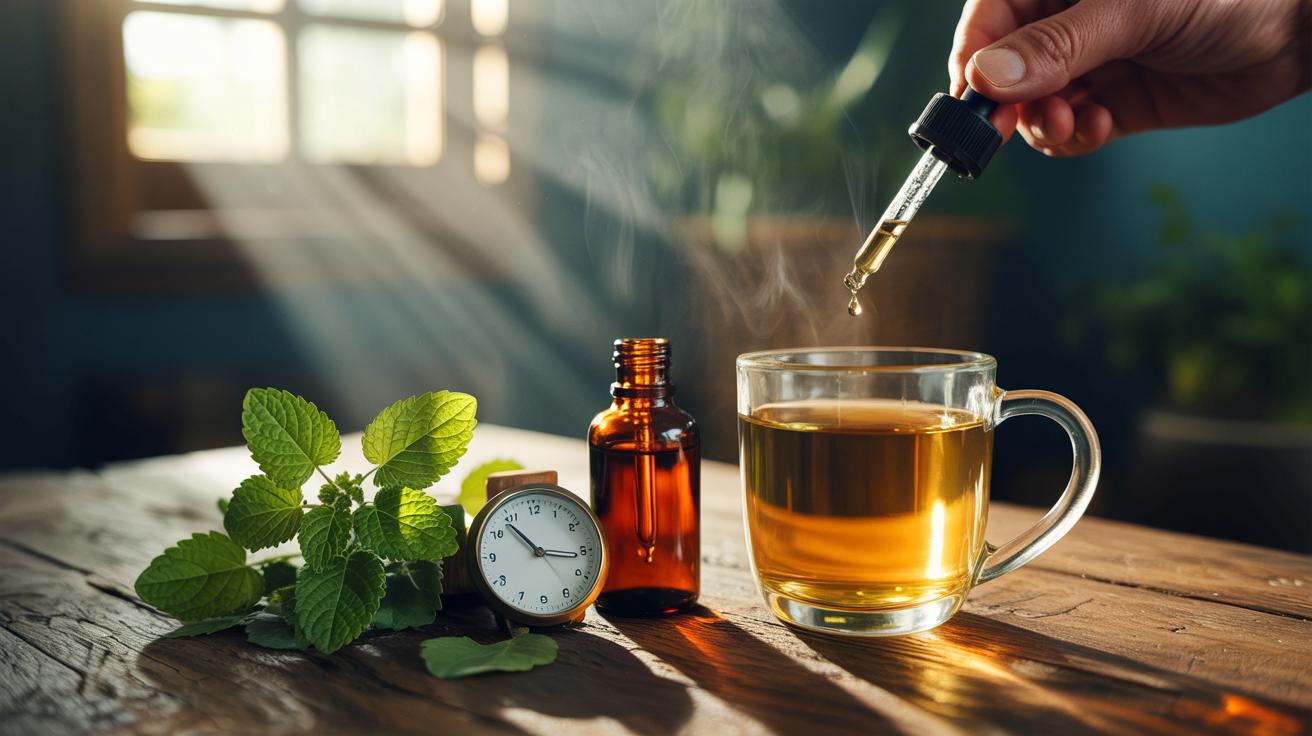
In a nutshell
- 🌿 Lemon balm (Melissa officinalis) is a common, pleasant-tasting herb that can reduce stress in minutes by gently supporting GABA activity—calm without fog.
- 🧪 Small placebo-controlled studies show rapid relief (15–60 minutes) with extracts and beverages; constituents like rosmarinic acid correlate with steadier mood and focus.
- ☕ Use forms that fit your day: Tea (1–2 tsp, 7–10 min steep; 30–60 min onset), Tincture (1–2 mL; 15–40 min), or Capsules (300–600 mg; 45–90 min).
- ⚠️ Safety first: possible drowsiness and interactions with sedatives; those with thyroid concerns should consult a clinician; start low and adjust based on how you feel.
- 🔍 What sets it apart: faster, friendlier calm than chamomile or passionflower, more immediate than ashwagandha, and versatile for acute stress and pre-meeting jitters.
Headlines rarely capture the quiet power of an herb. Yet here we are: people are genuinely surprised that a common kitchen plant can take the edge off in a short window. Think everyday stress, the hum of racing thoughts, the clenched jaw before a meeting. A cup of tea. A dropper of extract. Relief, not hours away, but sooner than you’d expect. This isn’t mystical. It’s chemistry, history, and good timing. The herb is accessible, inexpensive, and pleasant. For many, it can start softening stress in minutes, not as a knockout punch, but as a measured exhale the nervous system recognizes and welcomes.
The Herb Behind the Buzz: Lemon Balm
The name feels quaint, like a farmhouse garden. Yet lemon balm (Melissa officinalis) has centuries of use as a gentle nerve soother. It smells like citrus and mint had a calm, clear conversation. Herbalists reach for it to ease anxiety, brighten low mood, and settle an overworked gut. Modern lab work offers clues: rosmarinic acid and monoterpenes appear to influence GABA activity, the brain’s main calming pathway. Not sedation—balance. That’s the surprise: an herb you can grow in a pot has measurable neurochemical effects, the kind that translate into steadier breathing and less jangly nerves.
It’s also versatile. Fresh leaves make a brisk tea. Dried leaf concentrates flavor and effect. Alcohol-based tinctures deliver a rapid, tidy dose without boiling water. Culinary uses are friendly—tuck it into salads, muddle into seltzer, swirl into honey. When people say “I felt it quickly,” they often mean a light easing, not a heavy curtain. Think of it as tapping the brakes, not slamming them. That nuance—calm without fog—explains lemon balm’s mainstream moment and why so many are newly curious.
What the Science Says About Rapid Relief
In placebo-controlled trials from UK research groups, healthy adults who took standardized lemon balm extract reported increased calmness and reduced alertness during stress tasks. Doses around 300–600 mg showed measurable effects on mood and cognitive performance within a test session. Timing matters. Some results appeared within the first hour, with peak changes noted at 60–90 minutes. Another study using a beverage infused with Melissa officinalis compounds found anxiety scores dipping during subsequent tasks—again, not a knockout, but a steadying hand. These are small to medium studies, yet the signal repeats: fast-acting, gentle calm.
Mechanistically, lemon balm’s rosmarinic acid may inhibit GABA-transaminase, nudging GABA levels upward. That aligns with subjective reports: less internal noise, fewer muscle jitters, slightly slower pulse. Importantly, the herb doesn’t act like a benzodiazepine. No abrupt on/off switch. Many users describe first effects in 20–40 minutes with tinctures, 30–60 minutes with tea or capsules, progressing to a clearer, more grounded state. Caveats? Sample sizes are modest, and outcomes vary person to person. Still, taken together, the evidence supports what gardeners long suspected: this fragrant leaf can cool hot nerves with uncommon speed.
How to Use It Safely and Effectively
Choose the form that fits your routine. Tea is tactile and soothing; tinctures are discreet and fast; capsules are convenient and consistent. For tea, steep 1–2 teaspoons of dried lemon balm in hot water for 7–10 minutes. Tinctures commonly start at 1–2 mL, held briefly under the tongue. Capsules often contain 300–600 mg of extract. Start low, notice how you feel in 20–45 minutes, and adjust. You’re aiming for relaxed focus, not drowsy detachment. Many people reserve it for late-afternoon stress or pre-event jitters; others sip it nightly to soften the slide into sleep.
| Form | Typical Dose | Onset Window | Notes |
|---|---|---|---|
| Tea (dried leaf) | 1–2 tsp in 8–10 oz | 30–60 min | Comforting ritual; mild, steady effect |
| Tincture (1:5 or similar) | 1–2 mL | 15–40 min | Fast, portable; easy to titrate |
| Capsule (standardized) | 300–600 mg | 45–90 min | Consistent dosing; check extract specs |
Safety profile is favorable, but be mindful. Possible interactions with sedatives. Those with thyroid concerns should check with a clinician. Rare side effects include mild GI upset or sleepiness. If you feel overly groggy, reduce the dose or change the timing. As always, quality matters—choose reputable brands, and store dried herb away from heat and light to preserve potency.
What Sets Lemon Balm Apart From Other Calming Herbs
Plenty of botanicals promise calm. Few deliver it as pleasantly—and as quickly—as lemon balm. Chamomile relaxes, but sometimes more through ritual than speed. Lavender, especially via aroma, can ease state anxiety fast, though effects vary with scent sensitivity. Passionflower supports anxious rumination but may take longer to settle in. Ashwagandha is a resiliency builder, not a rapid dial-down for most people. Lemon balm’s advantage is its blend of taste, tolerability, and a track record for near-term relief during everyday stress tests. It earns a spot on the desk, not just the nighttime shelf.
| Herb | Onset Window | Best Use | Key Caution |
|---|---|---|---|
| Lemon balm | 15–60 min | Acute stress, pre-meeting jitters | Potential drowsiness at higher doses |
| Chamomile | 30–90 min | Gentle relaxation, bedtime wind-down | Ragweed allergy cross-reactivity |
| Lavender (aroma) | 5–30 min | Situational anxiety, tension relief | Skin sensitivity with topical oils |
| Passionflower | 45–120 min | Racing thoughts, restlessness | May potentiate sedatives |
| Ashwagandha | Days–weeks | Stress resilience, cortisol balance | Thyroid and GI considerations |
In practice, many people blend strategies: a quick lemon balm tincture before a tough call, lavender on the wrist, chamomile later. The goal isn’t sedation. It’s composure you can feel and trust.
There’s a reason friends keep recommending this leaf. It’s approachable, fast enough for modern nerves, and kind to the senses. The data isn’t perfect, but it’s persuasive, and the lived experience—steady hands, easier breathing, fewer spikes—matters. For a surprising number of people, lemon balm becomes a first-response tool for everyday stress. If you’re curious, start small, observe closely, and keep notes. Your nervous system will tell you what works. What moments in your day would benefit most from a swift, gentle calming nudge—and how might you test that this week?
Did you like it?4.6/5 (27)
Just tried lemon balm tea before a nerve-wracking Zoom—jaw unclenched and I didn’t yawn through it. Thanks for the clear doses and timing tips!
For capsules, is 300 mg standardized to rosmarinic acid, or whole leaf extract? Curious what % makes the most difference for that 45–90 minute window.
So you’re saying my backyard weed is actually a tiny therapist with a citrus perfume? BRB, harvesting my front lawn like a very calm raccoon.
I keep a small tincture bottle in my bag; 20 minutes before meetings, two droppers, breathe. Works like a charm—no fog. Sincerely appreciate this writeup.
Any tips on combining lemon balm with lavender aroma? I’d love a simple routine for pre-flight jitters that doesn’t knock me out or upset my stomache.
My teen had test nerves; we tried tea—1.5 tsp, 10 minutes. Calmer, focused, not sleepy. Thank you for making this so actionable and not woo-woo.
Made the tea and my kitchen now smells like a spa that pays taxes. Feeling chill, typing slower. Lemon balm for president 2024 🙂
Appreciate the thyroid caution—Hashimoto’s here. I’ll start low and check in with my clinician. Love the ‘calm without fog’ framing; that’s exactly what I need at 4 p.m.
Do fresh leaves hit faster than dried if I muddle them into seltzer? Trying to plan timing for a high-stakes presentaion later this week.
The onset windows you listed were spot on for me: tincture at 25 minutes, tea around 45. Not magic, just a softer edge. Bookmarked!
Can confirm: Melissa officinalis makes me Melissa-officially calmer. I’ll see myself out. But really, the GABA angle explains so much of the gentle brake-tap feeling.
I swapped my late coffee for lemon balm and mint. No more 9 p.m. doomscrolling heart flutters. Small change, big relief—thanks for the nudge and the clear steps.
Pro tip I learned the hard way: cover the cup while steeping or the aroma escapes. Also, good water matters; mine tastes flat with overboiled tap.
For capsules labeled 500mg, would you reccomend starting at half with food, or empty stomac for faster onset? Sensitive to drowsyness but need steady focus.