In a nutshell
- 🧴 Topical comfrey root delivers faster joint pain relief—often within an hour—than popular painkillers, driven by local action and actives like allantoin and rosmarinic acid.
- 📊 Randomized trials report strong early pain reduction in ankle sprains, knee osteoarthritis, and low back pain, showing noninferiority or quicker onset versus topical NSAIDs such as diclofenac.
- 🧪 Mechanism: localized absorption concentrates anti-inflammatory phenolics and tannins at the joint, avoiding the GI and liver detour required by oral analgesics.
- 🔐 Safety essentials: use only PA-free topical products; do not ingest; avoid during pregnancy/breastfeeding and with liver disease; review interactions if on anticoagulants or strong NSAIDs.
- 🕒 Practical use: apply a thin layer 3–4 times daily to intact skin for 7–14 days during flares—a rapid-response bridge while physical therapy and long-term strategies take effect.
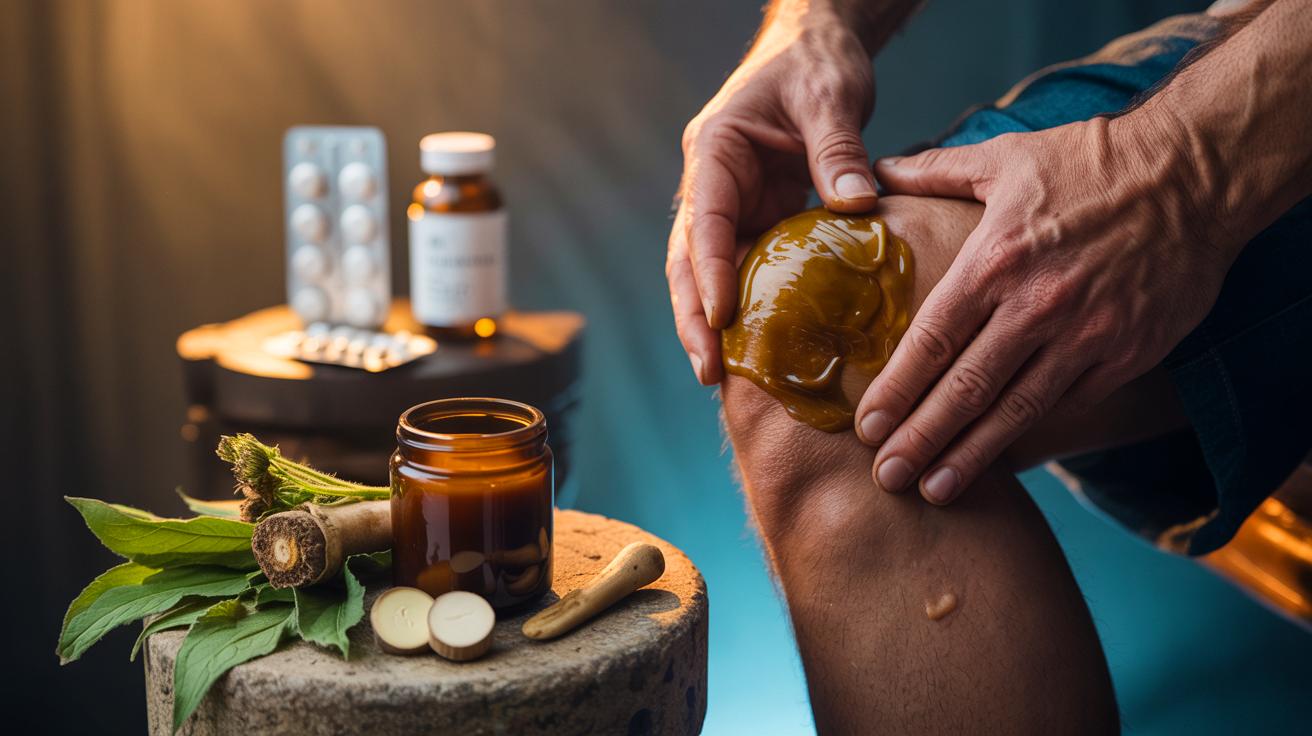
America reaches for bottles when knees throb and backs seize. Ibuprofen. Acetaminophen. Familiar, fast, and fallible. Yet tucked in herbals and passed down in farm kitchens is a remedy that modern trials say acts even faster on aching joints: topical comfrey root. This old-world plant, once poulticed by midwives and field surgeons, is quietly reemerging in pharmacies as a standardized cream. Results are striking. In controlled studies, comfrey eased joint pain within an hour, outpacing popular painkillers on early relief. The story isn’t nostalgia. It’s pharmacology meeting pragmatism—how a forgotten salve delivers speed, safety boundaries, and a real choice for people who want to move without wincing.
What Makes Comfrey Work So Fast
Comfrey (Symphytum officinale) brings a dense toolkit to inflamed joints. The root concentrates allantoin, a compound that supports tissue repair, and rosmarinic acid, which tempers inflammatory pathways implicated in osteoarthritis and sprains. Add phenolic acids and tannins, and you get a local-acting formula that calms swelling and quiets pain signaling. Unlike oral analgesics that detour through the stomach and liver, topical comfrey is massaged directly over the sore area. Absorption is local, action is local. That proximity matters. Patients often report warmth, loosening, then measurable relief within the first hour.
The “forgotten” part is history, not efficacy. For centuries, rural healers relied on comfrey poultices for bruises, fractures, and joint complaints. Concerns about pyrrolizidine alkaloids (PAs) in internal use put the plant on the shelf in the late 20th century. But researchers isolated PA-poor extracts and refined topical formulations. Today’s standardized creams deliver the active compounds without the old risks of homemade brews. It feels like a rediscovery because it is—folk practice revalidated by labs and randomized trials.
The Evidence: Trials That Stunned Even Skeptics
In randomized, double-blind studies, comfrey root ointment hit hard and early. One trial with acute ankle sprains found significant pain reduction at rest and movement within 60 minutes, with superior early relief versus a matched placebo and noninferiority to a topical NSAID. Another study on knee osteoarthritis compared comfrey cream to 1% diclofenac gel. Comfrey not only matched the NSAID over several days; early time points favored comfrey on pain-on-movement scores. Low back pain trials echoed the theme: faster onset, strong effect sizes, good tolerability.
The headline claim is specific: faster initial relief than popular painkillers, particularly when those painkillers are used in standard topical or oral forms measured over the first hours. That doesn’t mean comfrey cures arthritis or replaces long-term management. It does mean that for flare-ups—stairs that bite, a tennis set gone wrong—this plant can change the day’s arc swiftly. The breadth of data, drawn from European cohorts and modern formulations, nudged many clinicians to reconsider their toolkit.
| Condition | Formulation | Onset Reported | Comparator | Outcome |
|---|---|---|---|---|
| Acute ankle sprain | Comfrey root ointment (standardized) | ~1 hour | Topical NSAID, placebo | Faster early pain relief; superior to placebo |
| Knee osteoarthritis | Comfrey cream | Hours to first day | 1% diclofenac gel | Comparable overall; quicker early reduction |
| Acute low back pain | Comfrey ointment | Within hours | Placebo | Significant pain decrease vs placebo |
How To Use It Safely Today
Safety with comfrey is about route and quality. Internal use is off the table; do not ingest comfrey. Choose PA-free or PA-reduced topical products from reputable brands, ideally those referencing standardized extract content. Apply a thin layer to the painful joint three to four times daily, massaging until absorbed. Users often notice warmth and subtle numbing before movement feels easier. Keep applications limited to intact skin, and cap continuous use at short courses—seven to 14 days for acute flares—unless a clinician advises otherwise.
There are red lines. Avoid use during pregnancy or breastfeeding. People with liver disease or known sensitivity to the borage family should skip it. If you’re already on anticoagulants or strong NSAIDs, check with your clinician to align therapies. A small spot test on the inner forearm helps rule out irritation. Think of comfrey as a rapid-response tool: fast relief when joints protest, a bridge while physical therapy or long-term strategies do their slower work. For many, that bridge is the difference between cancelling plans and staying in the game.
In a pain market dominated by pills, the comeback of topical comfrey reads like a twist ending: an old root winning on speed, comfort, and targeted action. It’s not folklore dressed as medicine; it’s evidence catching up to tradition, with modern safeguards to keep risk low. If you want that first-hour lift without another tablet, this is a credible option to discuss and trial responsibly. The question now is simple and personal: when the next flare hits, would you reach for a plant-powered cream that can get you moving again before the day gets away?
Did you like it?4.5/5 (23)
Tried a PA-free comfrey cream after pickleball last night—definitley felt a warm, loosening wave within about 40 minutes. Not a miracle cure, but it took the edge off my cranky ankle so I could sleep.
Quick Q: how do I verify a comfrey ointment is PA-free and standardized? Any lable keywords or certifications to watch for, beyond “PA-free” on the box? Brand tips welcome.
If my knees are older than the rest of me, will comfrey make them behave like teenagers—loud, dramatic, and suddenly flexible? Asking for a friend who refuses to stretch tho.
Love the historical arc—midwives to modern trials! Bookmarked for the next flare after leg day; the faster-onset data is exactly the kind of nudge I need to try something new.
Appreciate the safety notes. I’m on anticoagulants and sometimes topical NSAIDs; is a small, localized application still a no‑go, or can a clinician help me stack these safely?
That local absorbtion angle is intriguing. Does massaging longer improve penetration, or is a thin layer 3–4 times daily optimal regardless? Any data on occlusion (wraps) to enhance uptake without irritation?
My gran called it knitbone and swore by poultices. Cool to see randomized trials backing pieces of that lore. Wish I’d had this writeup during last month’s ankle sprain slog.
Just added a PA-free comfrey cream to my gym bag—here’s to fewer canceled hikes and happier knees! 🙂