In a nutshell
- 🧪 Borax outperforms bleach and vinegar by using high alkalinity to disrupt mold and leaving a lasting borate residue that prevents regrowth.
- 🧼 Use safely and effectively: wear N95, gloves, goggles; HEPA vacuum; mix 1 cup per gallon for stubborn mold (1/2 cup for maintenance); 10–15 minute dwell, scrub, wipe, Do not rinse completely; dry to 50% relative humidity or lower.
- 🧱 Surface smarts: generally safe on ceramic, grout, sealed stone, painted drywall, and unfinished wood; be cautious with aluminum, unsealed soft stone, and delicate textiles; store mixes labeled and away from kids and pets.
- 🆘 Call a pro if growth covers more than 10 square feet, musty odors persist, or leaks are suspected; remediation should address moisture sources using tools like moisture meters and negative air.
- 🌦️ Prevent return: keep humidity under 50%, vent showers outside, run exhaust fans, insulate cold pipes, fix leaks fast, and do weekly wipe-downs with a mild borax spray (1 tablespoon per quart), plus airflow and a hygrometer.
Bleach smells harsh. Vinegar leaves its own tang. Both can irritate lungs and damage finishes. Yet households across America still rely on them to chase mold that keeps creeping back after every damp spell. There’s a better way hiding in plain sight: borax, a mineral salt long trusted in laundry rooms and wildfire zones for its stability. It doesn’t off-gas chlorine, and it won’t etch stone like strong acids can. Most crucially, it offers a built-in defense that competitors lack. Used correctly, borax not only scrubs away colonies—it discourages new ones from taking hold. Here’s how and why this unassuming powder can be your mold endgame.
Why Borax Beats Bleach and Vinegar
Bleach is a surface sprinter. It can whiten stains but often fails to reach roots in porous materials like drywall or unfinished wood. Vinegar penetrates better, yet it’s acidic and can slowly degrade some finishes and seals. Borax operates differently. As a high-alkaline salt (roughly pH 9–10 in solution), borax disrupts fungal enzymes, dries out cells, and leaves behind a borate residue that alters the environment long after the scrub. That residual layer is the secret: it makes surfaces less hospitable so spores landing tomorrow struggle to bloom.
There’s another advantage. Borax solutions don’t produce irritating chlorine fumes, and they’re gentle on many household materials when diluted properly. While no remedy is one-size-fits-all, borax’s combination of cleaning power and prevention makes it a rare two-in-one. The result? Less rework, fewer harsh smells, and a safer routine for bathrooms, basements, and laundry rooms where humidity spikes. The mineral also mixes well with detergents, so you can lift soap scum and biofilm—the slimy matrices that protect mold—while neutralizing the fungus itself.
| Ingredient | Mechanism | Lasting Protection | Notes |
|---|---|---|---|
| Borax | Alkalinity disrupts enzymes; leaves borate film | Yes (residual borate) | Mix with warm water; minimal odor |
| Hydrogen Peroxide | Oxidizes cell walls | No | Great on grout; fizz helps lift |
| Baking Soda | Mild alkalinity; abrasive lift | Limited | Safe, but slower results |
| Tea Tree Oil | Antifungal terpenes | Some | Effective, but pricey and fragrant |
How to Use Borax to Eradicate Household Mold
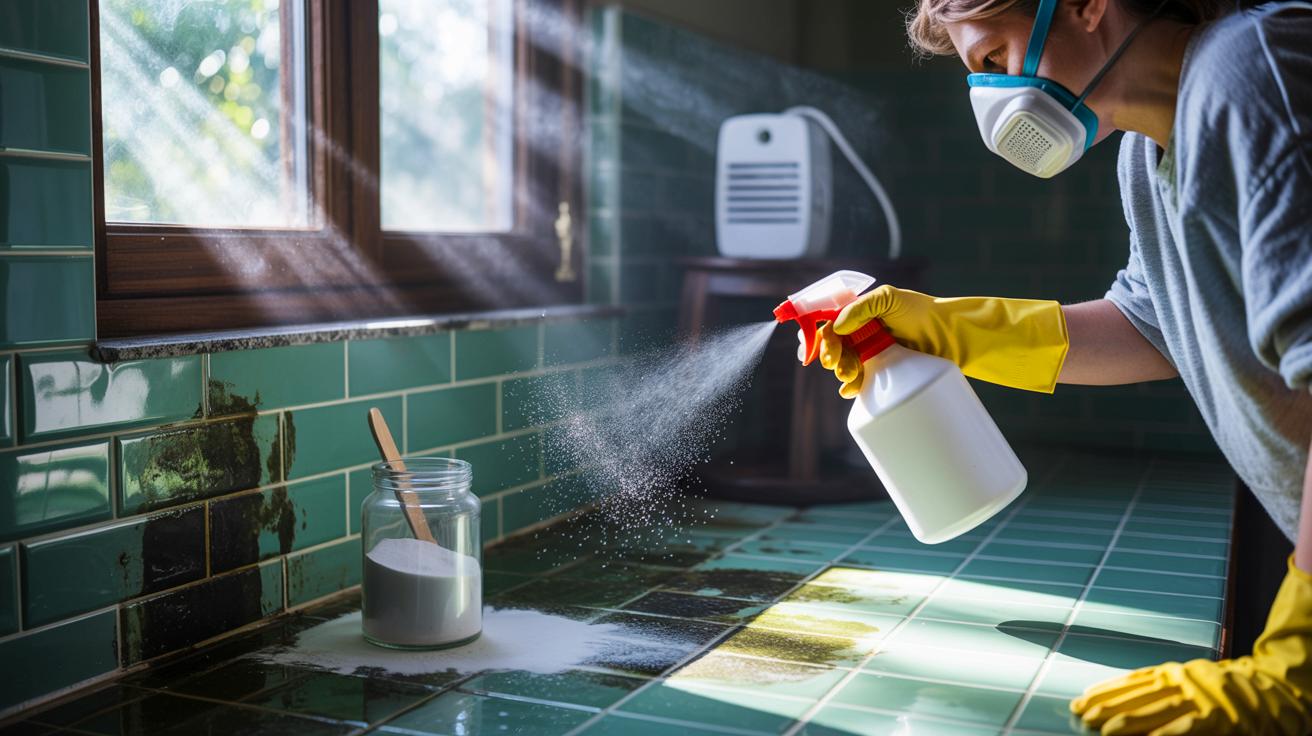
Start with containment. Close doors, open a window for exhaust, and wear protection: N95 respirator, gloves, and goggles. For small areas, vacuum loose debris with a HEPA unit to capture spores without redistributing them. Mix your solution: for stubborn mold, dissolve 1 cup of borax in 1 gallon of warm water; for maintenance, 1/2 cup per gallon works. Stir until clear—undissolved grains can scratch surfaces.
Apply generously using a spray bottle or sponge. Let the solution dwell for 10–15 minutes so borates can penetrate biofilm and reach hyphae in pores. Scrub with a stiff nylon brush on grout or textured tile; use a softer brush on painted drywall to avoid scuffing. Wipe away slurry with a damp cloth—but here’s the twist—do not rinse completely. Leaving a thin borate film is the prevention step bleach and vinegar can’t provide. Dry the area thoroughly with fans or a dehumidifier to keep moisture below 50% relative humidity.
For wood framing or subfloors exposed after a leak, the same rules apply: dwell, scrub, leave a whisper of residue, dry fast. If stains linger but growth is inactive, consider them cosmetic. You can prime with a stain-blocking sealer once the wood is fully dry. Always avoid mixing borax with acids or ammonia, and keep the powder out of reach of children and pets. Store the solution in a labeled, closed container for up to a week.
Safety, Surfaces, and When to Call a Pro
Used properly, borax offers a practical balance of efficacy and safety. Still, it’s a chemical salt—avoid ingestion and limit dust exposure. Rinse food-contact surfaces after cleaning, but not shower tile or basement walls where that protective film helps. Test on an inconspicuous spot first. Borax is typically safe on ceramic, grout, sealed stone, vinyl, painted drywall, and unfinished framing. Be cautious with aluminum, unsealed soft stone, and delicate textiles. If any surface darkens, pits, or becomes chalky, stop and reassess your dilution.
Scope matters. The EPA’s rule of thumb: if visible mold covers more than about 10 square feet, or if musty odors persist despite cleaning and drying, get an inspection. Spreading colonies can signal hidden leaks, soaked insulation, or contaminated HVAC components. Professionals use moisture meters, infrared cameras, and negative air machines to fix root causes, not just symptoms. When the source is water, not housekeeping, no cleaner can win alone. So fix leaks, regrade soil outside, or add vapor barriers before you scrub.
Households with asthma, mold allergies, or immunocompromised occupants should take extra precautions. Bag and discard overly porous items—acoustic tiles, soggy cardboard, crumbling drywall. Launder moldy fabrics hot, adding a tablespoon of borax to the wash. For stubborn smells, repeat treatments and accelerate drying with heat and airflow. Patience pays: once materials stay dry for 48–72 hours, colonies starve out.
Prevention: Keep Mold From Coming Back
Think of mold control as climate control. Keep indoor humidity under 50% with a right-sized dehumidifier, especially in basements and bathrooms. Vent showers outside, not into attics. Run exhaust fans 20 minutes after steam clears. Insulate cold pipes and exterior walls to stop condensation. Fix drips fast—mold can colonize a damp surface in as little as 24–48 hours. Replace failing caulk and regrade landscaping so rain flows away from the foundation.
Create a simple routine: weekly wipe-downs of high-risk areas with a mild borax spray (about 1 tablespoon per quart of warm water) to refresh that protective film. Keep air moving—box fan, ceiling fan, or an HVAC cycle with clean filters. Use a $15 digital hygrometer as your early-warning system, and treat any musty odor like a smoke alarm. The aim isn’t sterility; it’s stability. Dry materials, clean surfaces, and a light borate buffer form a durable defense that outlasts quick-hit disinfectants.
When bleach and vinegar fall short, borax delivers cleaning muscle and a quiet, long-lasting shield that keeps mold on its heels. The strategy is simple: remove moisture, disrupt growth, and leave behind a protective film that changes the surface story. That’s how you stop the cycle. Ready to trade harsh fumes for a steadier, science-backed routine—and which room in your home will you liberate from mold first?
Did you like it?4.4/5 (25)
Finally, something that doesn’t stink up my bathroom! Loved the step-by-step and the “don’t rinse completely” nuance—game changer.
If I clean the shower tile with borax, do I really leave a thin film, or will that make it slippery for kids?
The phrase “surface sprinter” for bleach made me spit coffee; borax sounds more like the marathoner my grout desperately needs.
Thank you for including dilution ratios. I always over-mix cleaners. Going to start with 1/2 cup per gallon and a HEPA vac first.
You mention avoiding aluminum—would anodized aluminum shower trims be at risk, or is the sealer enough? I can test a hidden spot but would love guidance.
Used borax on my basement studs after a leak last winter—no musty smell since. Definately keeping humidity under 50% this time and labeling the spray.
Quick one: is it okay to add a tablespoon to laundry for stinky towels, or better to do a separate soak? Thanks! 🙂
Can I apply the borax mix to unfinished pine shelves and then prime later, or should I wait a day after drying to be safe? Timing tips welcome.
This is mold’s kryptonite! The ‘don’t rinse completely’ trick was news to me, and it actualy makes sense. Thx for the pro-level advice, saving this.