In a nutshell
- 🌱 The real culprit is a mismatch between environment and plant biology; think diagnosis over routine and align light, water, mix, and air for resilient growth.
- 💧 Treat watering as a diagnosis, not a schedule: overwatering suffocates roots; check soil by touch/weight, ensure drainage holes, and remember light drives thirst.
- ☀️ Insufficient light is a silent killer; move plants to brighter spots or add a grow light and adjust watering only after the light improves.
- 🪴 Use a chunky, well-draining mix tailored to plant type; match containers wisely (no drainage hole, no mercy) and repot one size up, pruning rot as needed.
- 🌬️ Balance humidity, temperature, and airflow: aim ~40–55% RH with a humidifier, avoid drafts/vents, and use gentle airflow to deter disease and pests.
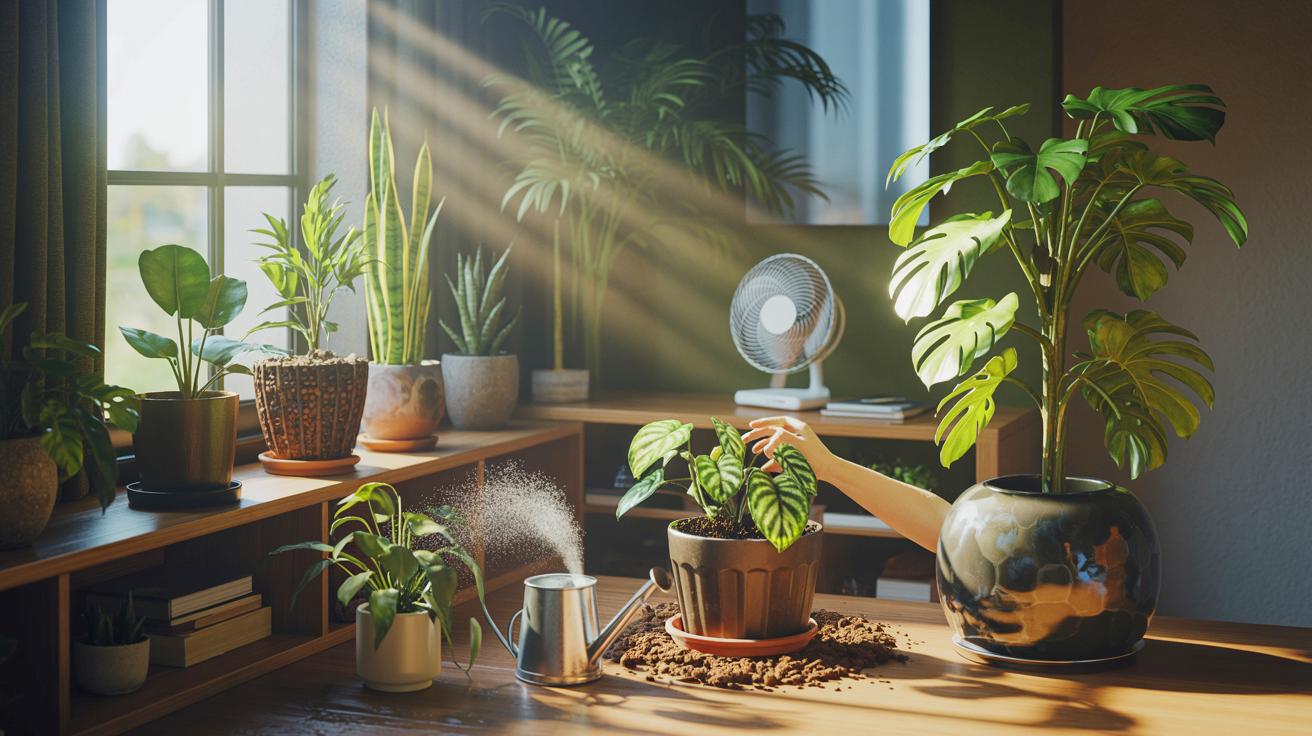
Your fiddle-leaf fig drops a leaf. The pothos yellows overnight. A cactus rots from the base without warning. If this sounds familiar, you’re not cursed, you’re misinformed. After dozens of interviews with growers, botanists, and nursery diagnosticians, one theme dominates: most houseplants die because conditions don’t match their biology. It isn’t just water or light in isolation, but how water, light, potting medium, temperature, and airflow interact. Care is context, not routine. Think less “How often do I water?” and more “What signals is this plant sending right now?” That shift—from calendar to diagnosis—turns serial plant losses into steady, confident growth.
Watering Isn’t a Schedule, It’s a Diagnosis
Experts say bluntly: Overwatering kills more houseplants than drought. Not because you pour too much once, but because the roots can’t breathe in chronically wet media. When oxygen disappears, root rot organisms flourish. The fix starts before the watering can: choose a pot with a drainage hole, use a breathable mix, and right-size the container. A tiny plant lost in a gallon pot sits in cold, wet soil for days. The result isn’t hydration; it’s suffocation.
Good watering is investigative. Press a finger into the mix. Lift the pot to feel weight. Use a moisture meter if you must, but validate with touch. Water thoroughly until runoff, then let the plant and environment determine the interval. Light drives thirst: brighter light means faster drying and more frequent watering; dim corners mean the opposite. A fixed “once a week” habit ignores the weather, seasons, and growth cycles. That’s why it fails.
Watch the leaves for context. Limp and soft with a musty smell? Likely too wet. Crispy margins but soil still damp? Check humidity or salts. Symptoms must be read with the soil, not apart from it. If in doubt, wait a day, recheck, and water deeply when the mix says “go.”
Light Mismatch: The Silent Plant Killer
Plants eat light. Full stop. Without enough photons, there’s no energy to power roots, leaves, or resistance to disease. Insufficient light is the hidden driver behind “mysterious” decline: slow growth, leaf drop, and chronic overwatering (because soil stays wet when the plant can’t drink). Measure if possible—phone apps give rough lux readings. If not, observe: south and west windows tend to be brightest, east is gentle morning sun, north is low and diffuse. Three feet back can be half the intensity at the glass.
| Plant | Preferred Light | Tell-Tale Symptom |
|---|---|---|
| Fiddle-Leaf Fig | Bright indirect to a bit of gentle direct | Leggy stems, brown edges in low light |
| Snake Plant | Low to bright indirect | Soft, collapsed leaves in dim corners + wet soil |
| Pothos | Medium to bright indirect | Small, pale leaves and long spaces between nodes |
| Calathea | Medium, filtered light | Faded patterns and crispy tips in too much sun |
Move the plant before you change the watering. In stronger light, metabolism accelerates; the same plant that rotted last month may thrive when it can actually spend the water you provide. If your home lacks bright windows, consider a grow light (full-spectrum, 12–14 hours daily). A simple relocation can halt the death spiral.
Potting Mix, Drainage, and Containers Matter
Big-brand “all-purpose” soil often compacts indoors, starving roots of air. Most tropical houseplants prefer a chunky, well-draining mix: think peat or coco coir for moisture, plus perlite or pumice for aeration, and bark for structure. This architecture creates micro air pockets that keep roots alive between waterings. For succulents and cacti, go leaner and grittier. For aroids like monstera, add more bark. One bag does not fit all.
Containers can sabotage even good mixes. No drainage hole, no mercy. If you love decorative cachepots, keep plants in a plastic nursery liner with holes and drop that into the pretty vessel; empty the excess. Glazed ceramic holds moisture longer than terracotta, which wicks water and boosts airflow. Match container type to your watering style and the plant’s thirst. Heavy pot + dense soil + low light equals trouble.
Repot timing is strategic, not aesthetic. Repot when roots circle the pot or water runs around the edges without soaking in. Go up one size, not three. Root pruning isn’t a crime if rot is present: cut mushy roots to healthy white tissue, refresh the mix, and reset watering. A clean start is often the difference between decline and recovery.
Humidity, Temperature Swings, and Airflow
Many “tropical” plants arrive from greenhouses at 60–80% relative humidity and then crash in dry apartments. Browning tips, curling leaves, and stalled growth often trace back to low humidity. Pebble trays are weak; they marginally help at best. A small room humidifier is the most reliable tool. Group humidity-loving plants, close the door, and monitor with a hygrometer. Aim for 45–55% for Calatheas, ferns, and prayer plants; most others are comfortable around 40%.
Temperature matters, but swings matter more. Cold drafts by leaky windows, heat blasts from radiators, or AC vents can shock delicate foliage. Keep plants a foot off cold glass in winter and away from oven doors or exterior doors that open into freezing air. Stable, moderate conditions reduce stress and disease pressure.
Airflow is your ally. Stagnant corners breed fungus gnats and powdery mildew, especially in constantly damp soil. A quiet fan on low, oscillating across a room, toughens stems and dries leaf surfaces after watering or misting. Healthy airflow + appropriate humidity is the sweet spot. If pests appear, isolate, treat promptly, and reassess care conditions that let them flourish.
The real reason houseplants keep dying isn’t a curse or a black thumb—it’s a mismatch between environment and biology. When you align light, water, mix, and air, care becomes simple, almost boring, and plants respond with steady growth. Stop following the calendar and start interrogating the conditions. Move that philodendron closer to the window, tune the potting mix, water by weight, raise humidity for the divas, and let a fan whisper through the leaves. Ready to run a few small experiments this week and see which change sparks the biggest difference in your space?
Did you like it?4.5/5 (20)
Finally someone explained watering as a diagnosis, not a schedule. I tried the finger test and lifting the pot today, and it already feels less guessy. Also checking for drainage holes on every container now. Thank you—my poor fiddle is about to get a proper checkup!
‘No drainage hole, no mercy’ made me spit my coffee. Guilty of decorative cachepots with zero exits. I’ll stop waterboarding my philodendron, promise. Any hack for drilling holes in ceramic without shattering? Asking for a freind with three very damp pots.
Quick grow-light question: how far should a 20W LED bar sit above a pothos on a shelf, and for how many hours in winter? I’ve read 12–14h, but worry about leaf scorch. Also, do I reduce watering imediately or wait a week after boosting light?
This explains my yellowing pothos in a north window. I moved it closer to a west exposure and, surprise, the soil dried faster and new leaves appeared. I’m aiming for 45–55% RH with a humidifer and a tiny fan on low. Big thanks for the clear, actionable advice.
Love the cachepot liner tip. I keep plants in nursery pots and dump the extra water, but terracotta dries so fast near my radiator. Would you reccomend switching to glazed ceramic in winter, or just watering deeper but less often? Trying not to swing from drought to swamp.
Crispy tips but the soil is still moist has been my nemesis. Your note about salts and humdity makes sense. Should I flush the mix monthly and raise RH, or repot entirely? I have a cheap mositure meter—useful or trash? Trying to read the signals properly.
Repotted my monstera into a chunkier mix—coco, bark, and pumice—and pruned mushy roots back to white tissue. Two weeks later, a new leaf unfurled and the pot dries evenly. Honestly, I was overpotting like crazy before. Lesson learned, and airflwo helps too.
Light drives thirst… who knew my snake plant wasn’t a camel after all? Moving it out of the dim hallway and watering by weight instead of the calender already helped. Thanks for the reality check 🙂 My so-called “unkillable” plant finally looks alive.
Could you share a simple checklist from this—light, water, mix, air—to print on my plant shelf? Maybe include target lux ranges for east vs west windows and a quick repot rule. I lern better with cheat-sheets, and this post is gold but dense.