In a nutshell
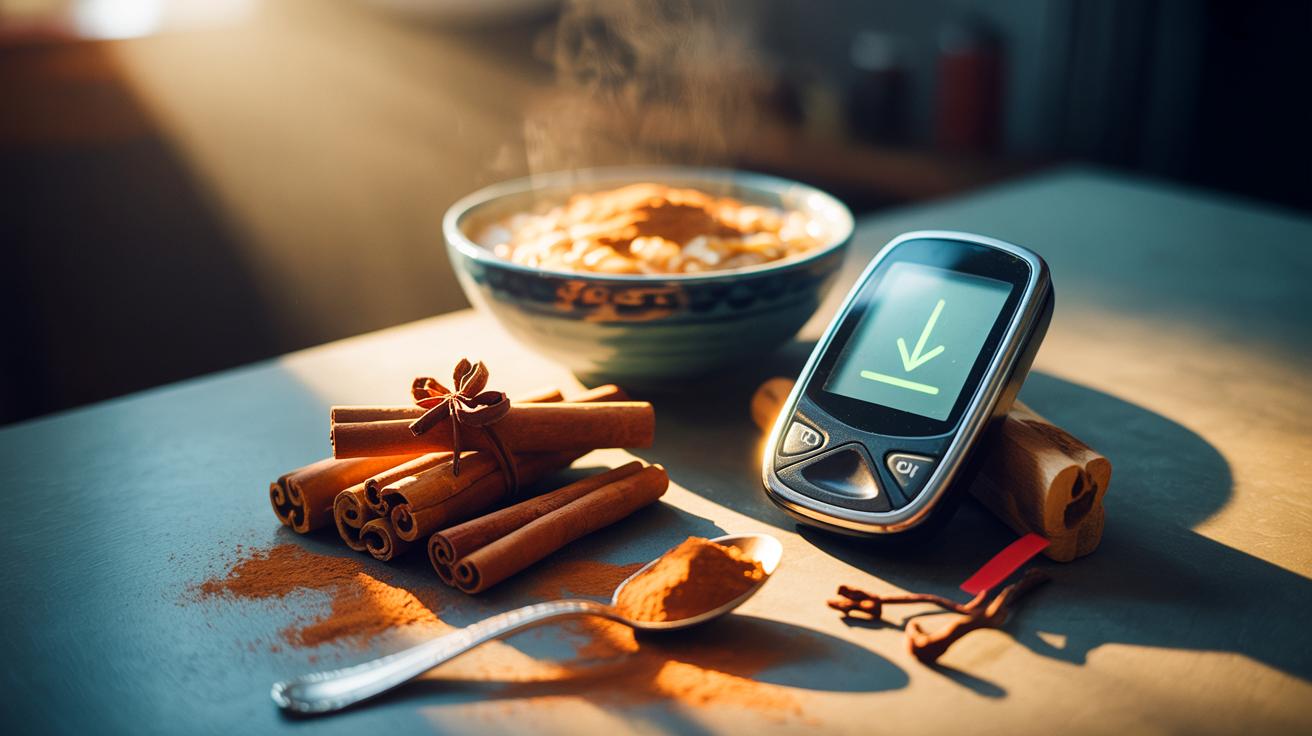
- 🍎 Evidence: Trials and meta-analyses link cinnamon to modest drops in fasting glucose (≈8–15 mg/dL) and HbA1c (≈0.1–0.3%), with stronger effects in people with higher baseline levels and alongside lifestyle changes.
- 🧪 Mechanisms: Active compounds (cinnamaldehyde, polyphenols) may boost insulin signaling via GLUT4 and AMPK, slow carbs by inhibiting alpha-glucosidase, and possibly reduce oxidative stress and tweak the microbiome.
- 🧂 Types: Cassia vs Ceylon matters—Cassia is common and bold but higher in coumarin; Ceylon is milder with trace coumarin, making it safer for daily use and long-term supplementation.
- 💊 Safety: Potential interaction with diabetes meds (risk of hypoglycemia) and liver concerns from coumarin; research ranges are 1–6 g ground spice or 250–500 mg standardized extract—consult a clinician before concentrated forms.
- 🍽️ Practical: Treat cinnamon as an adjunct, not a cure; add it to coffee, yogurt, or curries, pair with fiber and protein, choose reputable brands, and track your blood sugar response over time.
Open your pantry and you may find a quiet ally in the fight against high blood sugar. The everyday spice cinnamon—sprinkled on oatmeal, stirred into coffee, baked into bread—has been drawing scientific attention for a surprising reason: measurable, if modest, glucose-lowering effects. Researchers have tracked signals across randomized trials and pooled analyses, and a picture is emerging that’s as fragrant as it is intriguing. It won’t replace medication or lifestyle change, but it may nudge the numbers in the right direction. For millions living with prediabetes or type 2 diabetes, that nudge matters. Here’s what the latest evidence says, how it might work, and how to use it safely.
What the Evidence Says
Across multiple randomized controlled trials and meta-analyses, cinnamon has been associated with modest reductions in fasting plasma glucose and slight improvements in HbA1c. In pooled data sets, typical findings show fasting glucose dipping by roughly 8–15 mg/dL and HbA1c moving by about 0.1–0.3 percentage points over 8–12 weeks, especially among people with elevated baseline values. Not every study agrees, and methods vary—doses, duration, and whether researchers used whole spice or standardized extracts—but the overall signal is consistent: small, statistically significant changes.
One reason the topic keeps resurfacing in journals is the low cost and accessibility of this everyday spice. Many trials are modest in size, yet collectively they point in the same direction. A number of studies in type 2 diabetes cohorts report improved markers of insulin sensitivity or reduced post-meal glucose excursions. Others, including trials in prediabetes, show trends without reaching dramatic effect sizes. The takeaway is realistic rather than revolutionary: cinnamon helps a little, not a lot.
Context matters. Improvements appear larger when cinnamon accompanies dietary changes or weight management efforts, and when participants begin with higher glucose levels. Researchers caution that heterogeneity—differences in species (Cassia vs. Ceylon), extraction methods, and background therapies—complicates firm conclusions. Still, for a kitchen staple, the evidence profile is notable.
How Cinnamon May Work in the Body
Scientists point to multiple, overlapping mechanisms. Compounds in cinnamon—particularly cinnamaldehyde and various polyphenols—appear to enhance insulin signaling, encouraging glucose transporters (like GLUT4) to move more sugar from blood into muscle and fat cells. Some cell and animal studies suggest activation of AMPK, a metabolic “master switch” that boosts glucose uptake and fat oxidation. These biochemical nudges, while subtle, can add up across meals and weeks.
There’s also a digestive angle. Cinnamon seems to inhibit alpha-glucosidase enzymes in the small intestine, slowing carbohydrate breakdown and tempering the surge in post-meal glucose. It may delay gastric emptying, too, smoothing the curve of absorption. Flatten the spike, lighten the burden on insulin. When that happens repeatedly, fasting levels can drift down, and variability may shrink—good news for vascular health over time.
Inflammation and oxidative stress play roles in insulin resistance, and cinnamon’s antioxidant profile could help here as well. Early research hints at microbiome effects, with shifts in gut bacteria that may influence glucose handling. None of these pathways alone explains the whole story. Together, they offer a plausible, biologically coherent framework for the modest outcomes seen in human trials.
Choosing and Using It Safely
Not all cinnamon is the same. Common supermarket cinnamon is usually Cassia (Cinnamomum cassia), while “true” cinnamon is Ceylon (Cinnamomum verum). Cassia is bolder and cheaper, but it contains more coumarin, a natural compound that can strain the liver in high amounts. European regulators cite a tolerable daily intake of about 0.1 mg/kg body weight for coumarin; Cassia can exceed that if consumed liberally. Ceylon has trace levels, making it a safer daily pick for heavy users.
Human studies have tested both ground spice (often 1–6 grams per day) and standardized extracts (for example, 250–500 mg capsules), typically alongside usual care. These are research ranges, not prescriptions. If you use diabetes medications or have liver conditions, talk to your clinician before adding concentrated forms. Cinnamon can potentiate glucose-lowering, raising the risk of hypoglycemia when stacked with drugs like sulfonylureas or insulin.
Practical tips help. Choose reputable brands, store ground cinnamon in a cool, dark pantry, and consider Ceylon if you use it daily. Extract labels should specify the cinnamon species and standardization targets. Start small in the kitchen: a half-teaspoon on yogurt, a pinch in curries, a dusting in coffee. Pair with fiber and protein to reinforce the post-meal benefits.
| Type | Key Features | Coumarin Content | Taste/Use |
|---|---|---|---|
| Cassia | Common, inexpensive | High | Strong, spicy; everyday baking |
| Ceylon | “True” cinnamon | Low/trace | Mild, citrusy; daily use |
No single ingredient is a cure, yet the data around cinnamon highlight a practical truth: small, sustainable habits can move metabolic health in the right direction. The spice’s potential to gently lower blood sugar, layered onto diet quality, physical activity, and routine care, makes it more than a garnish—it’s a tool. Choose the right type, mind safety, and let flavor do double duty. If you’re tracking your numbers, why not run your own n-of-1 experiment and discuss the results with your clinician—what pattern emerges when cinnamon becomes part of your daily ritual?
Did you like it?4.5/5 (21)
Just switched to Ceylon cinnamon in my morning coffee after reading this. The breakdown on GLUT4 and AMPK was fascinating. I’m going to track fasting glucose for 4 weeks and note meals. Thanks for the clear, practical tips!
Finally, a study that validates my cinnamon toast obsession. Does sprinkling it on pancakes count as a controlled clinical tri—al? Kidding. Any tips for keeping doses consistent without turning breakfast into a science experiment?
On metformin and occasional insulin—how would you suggest timing cinnamon to avoid hypos? Also, I keep seeing Cassia in stores; is switching to Ceylon essential if I use it daily in oats?
Huge thanks! This explainer was super clear and actionable. I appriciate the nuance—no miracle claims, just practical steps and safety notes. Printing the Cassia vs Ceylon bit for my grocery runs.
What’s a sensible start dose for ground cinnamon—half a teaspoon per day? I don’t want to overdo it and wreck my liver, lol. Labels are confusing, and ‘standardized extract’ sounds very sciency.
Love this! I’ll pair cinnamon with greek yogert and berries after workouts. The alpha-glucosidase angle makes sense, and I’m curious if it’ll smooth my CGM spikes. Will report back in a couple weeks.
So my spice rack was a metobolic toolbox this whole time? Next up: deadlifts with a dash of Ceylon. Any favorite recipes that hide a gram or two without turning dinner into a cinnabomb?
Bookmarked for my parents. Clear, balanced, and practical—exactly what we needed. We’ll go with Ceylon, start low, and keep an eye on fasting numbers. Thanks for empowering folks without hype! 🙂
Do the studies distinguish between cinnamaldehyde content in different brands? Wondering if variability explains the modest effect sizes. Also, any data on gastric emptying rates in humans vs rodent modles?
I started adding a sprinkle to my late-night tea and I’m having fewer 3 a.m. snack attacks. The gentler post-meal curve you described feels real for me, and it’s tasty enough to keep doing.