In a nutshell
- 🍯 Raw honey works as a powerful humectant, drawing moisture into the skin so fine lines appear smoother by morning—offering temporary softness without claiming to erase wrinkles.
- 💧 The mechanism is hydration: honey attracts water and slows transepidermal water loss, creating a breathable film that plumps the outer layer and boosts visible glow overnight.
- 🛌 How-to: apply a pea-sized thin layer to clean, dry skin, wait a few minutes, sleep, then rinse in the morning; ultra-dry climates may add a whisper of occlusive on top.
- ⚠️ Safety first: patch test, avoid if allergic to bee/pollen/propolis, skip broken skin, and use sparingly on acne-prone areas; expect some mess—use a washable pillowcase.
- 💸 Value check: honey is low-cost with high overnight smoothness versus luxury creams; for long-term change, pair with sunscreen and proven actives like retinoids or peptides.
Pricey night creams promise miracles. Serums sparkle with scientific jargon. But the quiet hero for softer-looking lines by morning might be sitting near your tea mug. Meet raw honey, a humble pantry staple with a surprisingly elegant skin story. Its dense, syrupy texture acts like a moisture magnet, hugging the skin’s surface while you sleep. The effect is not magic; it’s mechanics. Hydration swells the outermost layer, so fine lines appear less etched. That’s the headline. It won’t erase wrinkles, but it can make them look smoother by sunrise. And it costs a fraction of the luxury jar.
The Surprising Secret: Raw Honey’s Overnight Effect
Here’s why beauty insiders reach for raw honey: it’s a powerful humectant, meaning it pulls water into the skin’s top layers. When the stratum corneum gets that extra drink, micro-creases soften. Skin feels plush. Lines look softer. The glow isn’t an illusion; it’s hydration physics. Raw varieties retain enzymes and trace antioxidants that support a calmer-looking complexion, especially after a dry, heated day indoors. The texture matters, too. Honey’s slow spread forms a light, breathable film that keeps moisture from vanishing into the night.
Think “smoother appearance,” not “wrinkle eraser.” That distinction is everything. Deep folds are structural; no kitchen find will rebuild them. But for surface-level dryness lines—the ones that make foundation catch—honey can deliver a visible morning upgrade. Opt for minimally processed honey or Manuka for a thicker, stay-put consistency. You don’t need much. A pea-sized amount covers the face once warmed between fingers. For sensitive or reactive skin, patch test on the jawline first. Sticky? Sure. Effective for overnight plumping? Often, yes, and without the sting sometimes seen with potent actives.
Why Hydration, Not Hype, Softens Fine Lines
Wrinkles read deeper on dehydrated skin. That’s the trick aging plays. When your skin barrier loses water—thanks to cold air, retinoids, or harsh cleansers—tiny creases stand out like underlined text. Honey counters that with two actions. First, as a humectant, it draws moisture from the air and from within the skin toward the surface. Second, its tacky veil slows transepidermal water loss, so that borrowed moisture doesn’t immediately escape. The combined effect is a subtle swelling of the outer layer, a temporary “lift” that photography lights love.
Hydration is the fastest, most reliable way to make lines look smaller by morning. Not retinol. Not peptides. They have long games to play, and they matter. But for overnight results, water is the headline act. If your climate is desert-dry, you can trap honey’s moisture with a whisper-thin occlusive on top—think a rice-grain amount of plain petrolatum on the driest zones—though many find honey alone sufficient. Expect a smoother canvas, softer feel, and makeup that glides instead of skipping. No perfume. No micro-irritation. Just a classic pantry fix doing quiet, skin-barrier work.
How to Use Honey Safely While You Sleep
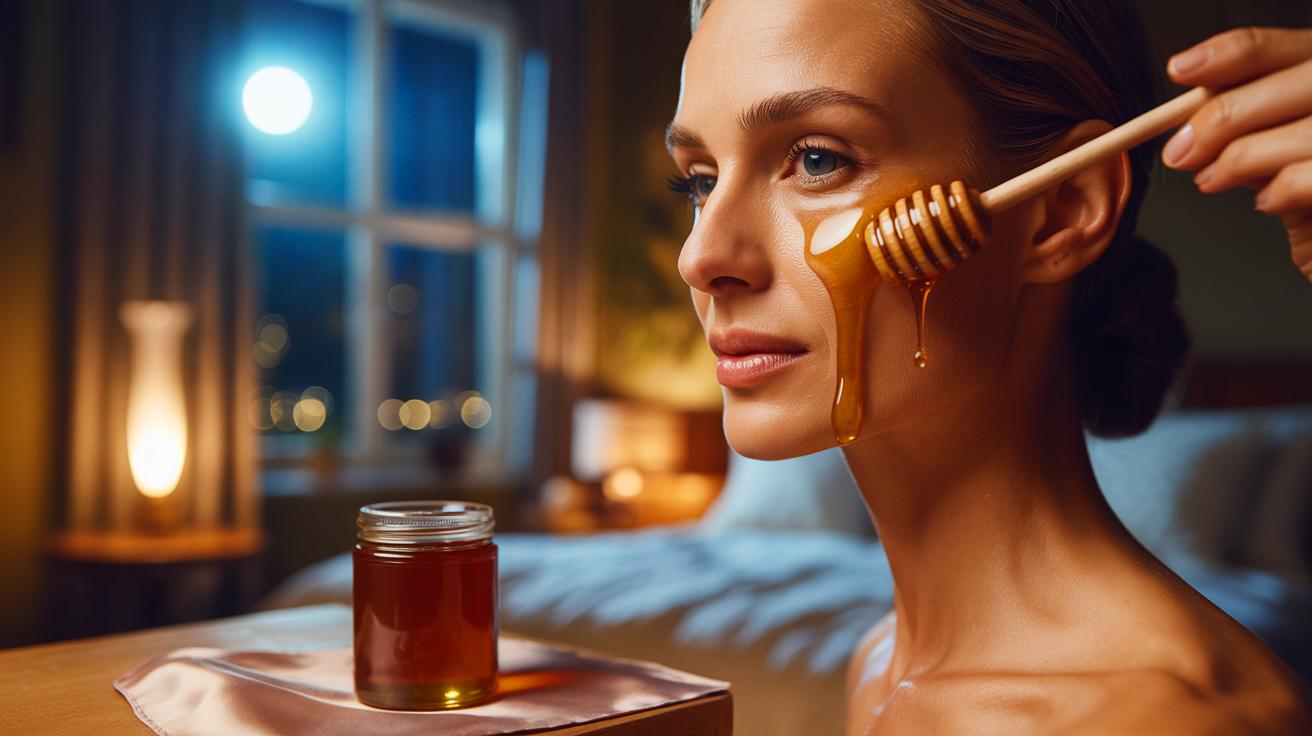
Technique turns sticky into seamless. Start with clean, fully dry skin. Warm a pea-sized amount of raw honey between fingertips until it loosens, then press—not rub—across the forehead, cheeks, and lines around the mouth. Thin is key. You want a translucent sheen, not a sandwich glaze. Wait five minutes so it grips, then head to bed on a pillowcase you don’t mind washing. Side sleeper? Focus on the driest zones and avoid the hairline. In the morning, rinse with lukewarm water and pat dry. The afterfeel: supple, not slick.
Patch test first, and skip if you have known bee, pollen, or propolis allergies. Avoid broken or freshly exfoliated skin until you know your tolerance. For extra comfort, tap a hydrating mist before honey so it has moisture to pull in. Oil-prone or acne-sensitive? Keep the layer ultra-thin and limit to parched areas, like crow’s feet or smile lines. Frequency is flexible—nightly during heating season, or as a rescue mask after flights. If you detest the idea of sleeping in it, try a 20-minute pre-bed mask, then leave a whisper of residue to work overnight.
Beyond the Buzz: Cost, Time, and Results Side by Side
Does honey outperform every jar on the shelf? Not always. But the value-to-result ratio is compelling, especially if you want visible softness by morning without fragrance, silicones, or sticker shock. Here’s a quick comparison so you can calibrate expectations and budget. The focus: overnight smoothness, not long-term remodeling. Notice how application time and mess factor differ; those often decide whether a routine actually survives real life.
| Option | Typical Cost | Time/Effort | Overnight Smoothness | Mess Factor |
|---|---|---|---|---|
| Raw Honey | $8–$20/jar | 1 minute, thin layer | High for fine lines; temporary | Moderate (wash pillowcase) |
| Luxury Night Cream | $60–$180 | 30 seconds | Medium; varies by formula | Low |
| Sheet Mask | $3–$10/use | 15–20 minutes | High, short-lived | Low |
| Egg-White Mask | $0.50/use | 10 minutes | Temporary tightness, brief | Low–Moderate |
Honey’s edge is cost and hydration physics, not miracle actives. For deeper change, pair your routine with sunscreen by day and proven actives at night. But when the brief is “look fresher tomorrow,” the pantry delivers—sweetly.
Here’s the bottom line: you don’t need a gold-capped jar to wake up with softer-looking lines. A thin veil of raw honey can drape your skin in overnight moisture, plumping the surface where fine lines announce fatigue. It’s a practical, accessible fix that trades fragrance and marketing for simple, effective hydration. Will it replace your entire routine? No. But it can be the reliable pinch hitter—especially in dry months or before big events. Ready to try the pantry experiment tonight, or is your skin calling for a different kind of simple reset?
Did you like it?4.5/5 (29)
Okay, this actually makes sense—hydration over hype. I’ve spent too much on jars that smell fancy and do nada. Raw honey test run tonight; defintely using a pillowcasee I won’t cry over in the wash.
I’m combo and acne-prone—will a thin honey layer clog me up? You say keep it ultra-thin and limit to crow’s feet; does that mean every night or just heating season? Also, any tips for not getting it in teh hairline?
Had to laugh at “sandwich glaze.” Sticky I can handle; crunchy bedding, not so much. I’ll try the five‑minute wait so it grips, then tuck a towel over my pillow like a honey burrito situation.
Love the plain-English science. TEWL and stratum corneum hydration explain why photos look kinder in the morning. My plan: mist, pea-sized honey, rice‑grain petrolatum on cheekbones only. Minimal, cheap, practical. This might finally stop my foundation from catching on those micro‑creases.
Bookmarking for winter. The “thin is key” reminder is gold because I always overdo masks. Going to start with smile lines only and see how the afterfeel is in the a.m.
I live in desert-dry New Mexico and woke up shockingly moistuized after a trial run last night. Lines by my eyes looked softer, makeup didn’t skip. Messy? A bit. But the glow was real and the cost is unbeatable.
Question on types: does Manuka with higher UMF stay put better, or is basic raw honey fine? I’ve got a runnier wildflower jar that slides. Maybe I’m using too much—pea sized, warm between fingers, press, not rub… right?
Thanks for the clear how‑to—patch test, pea-sized, wait five minutes, rinse in the morning. I’m sensitive but hopeful; trying it on just the crow’s feet tonight and swapping a washable pillowcase. Wish me luck 🙂
Hilarious that my pantry MVP might be the same stuff I drizzle on oats. Pro tip from my first go: avoid eyebrows unless you like crunchy arches. Side sleeper here, so I’m focusing on cheekbones and smile lines only.