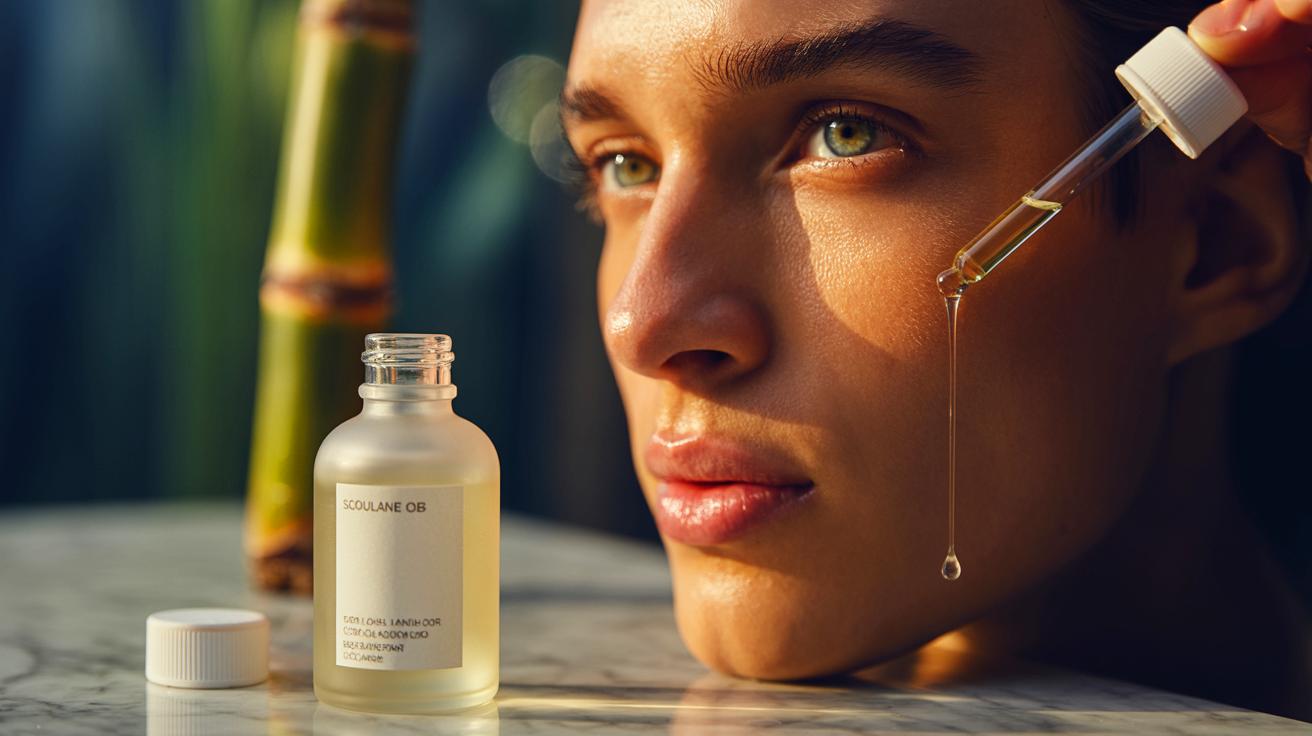
In a nutshell
- ✨ Squalane oil is the breakout staple delivering a calmer barrier, soft-focus glow, and a younger-looking finish without heaviness or fragrance.
- 🧪 Biomimetic and ultra-stable: hydrogenated squalene (squalane) is non-comedogenic, fast-absorbing, and supports water retention for smoother-looking fine lines.
- 🧴 How to use: apply 2–3 drops over damp skin after serums and before sunscreen; mix into gels for oily types or layer generously for dry/mature skin; patch test with actives.
- ⚖️ Versus other oils: squalane is neutral and lightweight compared to jojoba, rosehip, marula, and argan, pairing cleanly with retinoids and acids.
- 🌱 Sustainability and value: choose plant-derived (sugarcane) squalane over shark-based sources; opaque bottles, simple INCI, and budget options can match luxe performance.
In bathrooms from Brooklyn to Boise, a quiet revolution is replacing heavy creams and complicated routines with one silky, flexible staple: squalane oil. Beauty editors tout it. Dermatologists nod. TikTok swears by it for glassy skin that looks rested, bouncy, and lit from within. The appeal feels refreshingly simple. A single drop spreads like velvet and sinks fast, leaving no greasy film. It’s fragrance-free, stable, and surprisingly universal. Dry? It softens. Oily? It balances without clogging. Sensitive? It soothes. Consumers are switching because it delivers results without drama, and it plays nicely with nearly every routine they already own.
What Is Squalane Oil and Why It Works
The hero in question is squalane, a hydrogenated and therefore oxidation-resistant version of squalene, a lipid naturally found in human sebum. That biomimicry matters. Skin recognizes its texture, allowing this lightweight oil to slip into the barrier and bolster it rather than sit heavily on top. Modern formulas rely on plant-based sources—most notably sugarcane-derived squalane—which is stable, colorless, and scent-free. Translation: fewer irritants, fewer surprises, more glow.
Functionally, squalane is a high-performing emollient, smoothing rough patches and softening the appearance of fine lines by replenishing lost lipids. It’s also a light occlusive, which helps reduce transepidermal water loss without suffocating pores. Equally important, it’s often described as non-comedogenic and tolerable for acne-prone skin, a rare feat for an oil. Because it’s inert and ultra-stable, it won’t degrade quickly or turn rancid in your cabinet. That stability means consistent texture, predictable results, and fewer reasons to overthink how you store it. One bottle, four seasons, many faces.
The Science Behind Youthful-Looking Skin
Plump, youthful skin is mostly about water retention and barrier integrity. Squalane supports both. By filling in microscopic gaps between corneocytes, it smooths the skin’s surface and reduces the roughness that magnifies fine lines under harsh light. It doesn’t “freeze” wrinkles. It makes light bounce better. That optical shift is why skin can look instantly refreshed after application. Consistent use helps maintain moisture balance, and well-hydrated skin naturally looks firmer and brighter.
There’s more. Because squalane is structurally similar to our own lipids, it blends into the stratum corneum with minimal pushback, which is helpful for reactive complexions. Many users pair it with retinoids or acids to buffer dryness without diluting performance. Antioxidant behavior—modest but meaningful—helps defend against environmental stress that accelerates dullness. And since squalane spreads thinly and evenly, a single pump can coat the face and neck, creating a soft-focus finish that reads healthy rather than shiny. In practice, it’s not a miracle. It’s a moisture strategy that works with the skin’s design, not against it.
How to Choose and Use It
Look for labels that say 100% plant-derived squalane, ideally from sugarcane, with minimal or no fragrance. Packaging matters: opaque or UV-protective bottles preserve the oil’s integrity. Start small. Two to three drops over damp skin, morning or night, usually suffice. Layer it after water-based serums and before sunscreen by day or as the last step at night. Think of squalane as a seal that locks in the good stuff without pilling or heaviness.
For combination or oily types, mix one drop into a gel moisturizer to “customize” slip and comfort. Dry or mature skin can apply it more generously, even tapping a whisper over makeup for instant radiance. It doubles for cuticles and the ends of hair. Always patch test new formulas, especially if your routine includes potent actives like retinoids, AHAs, or benzoyl peroxide.
| Form | Source | Best For | Texture | Comedogenic Rating |
|---|---|---|---|---|
| Pure Squalane | Sugarcane (plant-derived) | All skin types; sensitive | Featherlight, fast-absorbing | Low |
| Squalane Blend | Sugarcane + other oils | Dry or mature skin | Richer, more cushion | Varies by blend |
Squalane vs. Other Popular Face Oils
Not all oils behave the same. Jojoba (technically a wax ester) mimics sebum and can regulate shine, but some find it sits longer on the surface. Rosehip brings natural provitamin A compounds and higher linoleic acid, great for tone and texture, though it’s more fragile and can smell nutty. Marula is plush and oleic-rich, a comfort blanket for parched skin, but may feel heavy on acne-prone faces. Argan offers a balanced profile and softening benefits, yet its distinct scent and midweight slip aren’t for everyone.
Squalane’s edge is neutrality. It’s virtually scentless, extremely stable, and spreads thinly, making it easy to pair with actives and sunscreens without interference. When users say their skin looks “younger,” they often mean it looks calm, hydrated, and light-reflective—effects squalane produces reliably with minimal risk. If you want targeted brightening or pigment support, a rosehip blend may be better. If your barrier is screaming for a hug, marula might satisfy. But for a universal daily driver that won’t fight your formulas, squalane tends to win.
Sustainability and Price: What Consumers Should Know
There’s history here. Traditional squalene was once harvested from shark liver oil—ethically indefensible and environmentally damaging. Today’s best-in-class squalane is bioengineered from sugarcane via fermentation, a renewable path with dramatically reduced ecological impact. Always scan for “plant-derived” or “vegan” on the label and consult the brand’s sourcing policy. Transparency notes and third-party certifications signal a cleaner supply chain.
Price ranges widely, but purity and packaging often explain the gap more than performance. A $12 bottle of pure, sugarcane-derived squalane can rival a $70 one if both are truly single-ingredient and properly stored. Blends with luxury esters, antioxidants, or fragrances will cost more—and may not suit sensitive skin. Shelf life is generous thanks to squalane’s stability, so value-per-use is high. Your smartest move: buy the smallest size first, track how your skin responds across two weeks, then commit.
In a beauty market obsessed with novelty, squalane oil stands out by doing the basics exceptionally well: cushion the barrier, quiet irritation, and make light dance across the skin. It’s minimalism with real payoff. It won’t replace sunscreen or a well-chosen active, but it helps every other step feel and look better. For many, that’s the difference between fussy and effective. If your skin has been begging for calm, this might be the simplest yes you make all year. Will you join the switch—and if you do, how will you tailor squalane to your unique routine?
Did you like it?4.3/5 (23)
Just tried sugarcane-derived squalane last week and wow—two drops and my skin looks calm, bouncy, and less dull. Thanks for the clear guide on layering; I finally understand after-serums-before-sunscreen. Bookmarked and sending to my mom too 🙂
Oily-combo here: if I mix one drop into a gel moisturizer, do I still seal with anything after, or is that enough? Curious how it plays under mineral SPF in humid climates.
My face drank this like a cactus at happy hour. Two drops, soft-focus glow, zero grease—my bangs aren’t protesting anymore 🙂 Also loving that it doesn’t smell like a salad dressing.
Appreciate the note on pairing with retinoids and acids. I’ve been buffering tret nights with a tiny squalane sandwich, and the flakies are finally gone. Barrier feels chill, results stayed strong.
This explainer is gold—finally a simple oil that doesn’t fight my routine. Definetly noticing makeup sits smoother and my pores look less shouty by lunchtime.
Quick routine check: morning is cleanse, vitamin C, hydrating serum, then squalane, then sunscreen; night is serums, squalane last. Did I get the order right for max glow without pilling?
Love the cuticle and hair tip. Any favorite brands doing 100% plant-derived, sugarcane squalane in opaque bottles? Trying to keep things vegan and simple INCI without the perfumy extras.
I swapped my heavy night cream for two pumps of a squalane blend, and my face stopped feeling suffocated. The opaque bottle is a nice touch; my shelf looks chic and my skin happier.
Travel tip: one mini bottle did face, cuticles, and flyaway ends on a long-haul. No leaks, no greaze, just soft skin when I landed. Highly reccomend for plane skin emergencies.
Sensitive crew checking in: patch tested on my jawline for three nights, zero sting, zero redness. It layers over azelaic acid like a dream and calms that persnickity cheek flush.
My skincare shelf just got laid off—squalane is the new boss, and HR is my moisturizer. Streamlined, glowy, less drama at 6 a.m. Coffee and two drops and I’m good to go.
Question on spf layering: if I mix one drop with my lightweight moisturizer, should I still wait before applying sunscreen, or just smooth it on right away? Trying to minimize pilling with zinc formulas.
Thank you for covering the sustainability piece. I had no idea older squalene came from sharks—hard pass. The sugarcane, bioengineered route feels way better for my conscience and my budget, tbh.
The ‘soft-focus’ explanation clicked for me. It’s not erasing lines; it’s making light bounce so my skin looks rested. Such a calm, minimalism-vibes upgrade to my routine. My cheeks are literally sighing ahhh.