In a nutshell
- 🧼 Many are ditching shampoo to protect the scalp microbiome and maintain pH balance, reducing irritation, plastic waste, and improving curls and coils without harsh sulfates.
- 🌿 The natural mix: rye flour gently lifts oil, aloe vera soothes and adds slip, and diluted apple cider vinegar (ACV) smooths cuticles for shine.
- 🧾 How-to: whisk rye with water, add aloe, rinse thoroughly, then apply a diluted ACV finish; patch test, make fresh each time, adjust frequency, and consider hard-water tweaks.
- 🔬 Science and stylists: keeping hair around pH 4.5–5.5 reduces frizz and boosts gloss; avoid heavy silicones/waxes or clarify occasionally for compatibility.
- 💡 Results and caveats: expect clean, soft shine at low cost and waste; tweak ratios (green tea for oil, jojoba for ends) and remember this is not a medical fix for scalp conditions.
Shampoo shelves promise miracles, yet many Americans are stepping away from suds entirely. They’re reaching for a simple, kitchen-born remedy that leaves strands clear of grime and surprisingly glossy. The idea is clean and bold: no soap, no shampoo, just a smart natural mix that respects the scalp’s ecosystem. It cuts waste. It can cut costs. Most important, it can cut irritation. This approach asks hair to self-regulate—letting natural oils balance while a gentle rinse handles buildup. Done right, the result is clean roots, a soft swing, and a reflective sheen that doesn’t feel coated or crunchy.
Why People Are Ditching Shampoo
For decades we’ve chased squeaky-clean hair, often with sulfate-rich formulas that strip too aggressively. That sensation can be deceptive. Hair isn’t a dish to scour; it’s keratin protected by a cuticle layer that prefers a slightly acidic environment. When cleansers overdo it, the scalp rebounds by making more oil, perpetuating a greasy cycle. No-shampoo routines aim to break that loop. They reduce surfactant exposure, address pH balance, and protect the delicate scalp microbiome, which influences flaking, itching, and even frizz.
There’s also pragmatism. Fewer bottles, less plastic. Lower costs. Shorter ingredient lists that people can pronounce. Those with curls and coils often report better definition because there’s less cuticle swelling and fewer silicones to trap dust. For many, the appeal is control: understanding what touches their skin and why. People with fragrance sensitivities, dermatitis, or color-treated hair that fades fast find gentler wash methods especially compelling.
Still, it’s not one-size-fits-all. Water hardness, styling products, and scalp conditions matter. Some heads thrive immediately; others need a transition. Stylists warn that skipping surfactants entirely can allow waxy residue from heavy creams to accumulate. The sweet spot is a routine that cleans without overstripping, and that’s where a carefully tuned natural mix can shine.
The Mix: Rye Flour, Aloe, and ACV
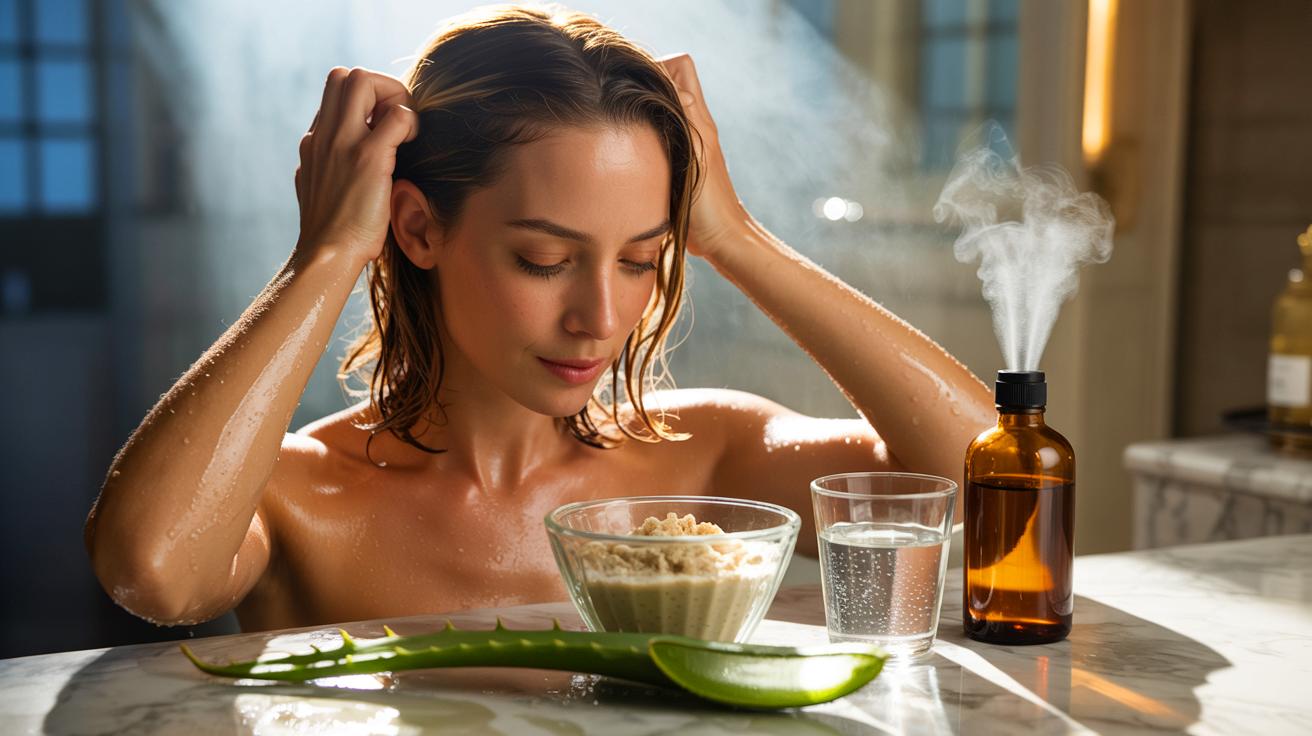
Here’s the minimalist trio gaining traction: finely milled rye flour for gentle cleansing, soothing aloe vera gel to calm the scalp, and a diluted apple cider vinegar (ACV) rinse to rebalance pH and amplify shine. Rye flour contains polysaccharides and minute natural compounds that bind excess sebum and dust without harsh surfactants. Aloe lends slip and hydration. ACV’s mild acidity helps the cuticle lie flat, which increases light reflection—hello, gloss.
| Component | Function | Typical Ratio | Notes |
|---|---|---|---|
| Rye Flour | Gentle cleanse; lifts oil and debris | 2–3 tbsp per 1 cup warm water | Use very fine flour; strain to avoid clumps |
| Aloe Vera Gel | Soothes scalp; adds slip | 1–2 tsp per batch | Choose pure gel without added alcohol |
| ACV Rinse | pH balance; shine boost | 1–2 tbsp per 1 cup cool water | Do not use undiluted; avoid eyes |
The logic is simple: cleanse with starch-rich rye, comfort with aloe, then smooth with a mild acid rinse. Many users report less itch and better volume within two weeks. Because the mixture is low-foaming, it doesn’t disturb the scalp as dramatically as traditional shampoos. And it’s flexible—add a splash of cooled green tea if your scalp gets oily, or a drop of jojoba oil for dry ends while keeping it off the roots.
Expect a clean-but-not-squeaky feel. That’s intentional. Hair should slip, not squeal. If you use heavy silicones or waxes, do an occasional gentle clarify with a mild, sulfate-free shampoo before returning to the mix; this preserves the benefits without buildup.
How to Make and Use It Safely
Whisk 2–3 tablespoons of fine rye flour into a cup of warm water until smooth—no lumps. Stir in 1–2 teaspoons of aloe vera gel. Let the mixture rest for two minutes to hydrate. In a separate container, mix 1–2 tablespoons of ACV with one cup of cool water for your final rinse. Always keep acids diluted; full-strength vinegar can irritate skin and eyes. Before the first use, patch test a dab of the rye-aloe blend on the inner arm for 15 minutes.
Saturate hair thoroughly with warm water. Apply the rye blend to the scalp in sections, massaging with fingertips—not nails—for one to two minutes. Work the remainder through lengths. Let it sit another minute so starches can bind oils. Rinse very well; keep rinsing. Follow with the ACV solution, pour slowly from roots to ends, then rinse lightly after 30–60 seconds depending on hair density. If hair feels tacky, you didn’t rinse the flour enough.
Frequency? Start twice weekly, adjust up or down. Hard water may require a tiny pinch of citric acid in the ACV rinse or a shower filter. Avoid storing the rye mixture; make it fresh to prevent spoilage. If you experience persistent irritation, stop and consult a dermatologist. Color-treated hair usually tolerates diluted ACV, but test a strand first. Listen to your scalp; it will signal when the balance is right.
What Science and Stylists Say
Dermatologists tend to agree on first principles: maintain an acidic pH, minimize barrier disruption, don’t over-cleanse. This mix aligns with those goals. Rye slurry is low-foaming and mechanically lifts grime; aloe is calming; ACV helps tighten the cuticle. Studies on pH show that hair behaves best around 4.5–5.5, where frizz drops and shine rises. By keeping rinse water slightly acidic, you reduce swelling that roughens the cuticle and scatters light. That’s the gloss you see, without silicone varnish.
Stylists are pragmatic. They love the shine—but they warn about product compatibility. Heavy butters, waxes, and strong-hold silicones can resist starch-based cleansers. Their advice: stay consistent, use lighter stylers, and clarify gently once every few weeks if you’re a big product user. They also note that fine hair may gain volume because the mix removes oil without leaving polymer films, while coils may retain better clump because cuticles lie flatter.
There are trade-offs. The method takes a few more minutes in the shower. Rinsing must be thorough. And while the vinegar scent fades fast, some noses are sensitive. Cost is a plus: cents per wash. Waste is minimal. Crucially, people with scalp conditions should treat this as one tool, not a cure. If flares persist, medical treatment matters. For many healthy scalps, though, this routine offers a credible alternative to daily detergent cleansing.
Clean, soft, luminous—without a single bubble. The rye–aloe–ACV method respects biology while delivering a salon-adjacent finish that feels weightless and honest. It’s adaptable, cheap, and transparent about what’s touching your skin. If it doesn’t click immediately, tweak ratios, clarify once, or give it two weeks for oil production to recalibrate. Your hair is communicating; the routine should, too. Ready to test a wash that doesn’t foam but still sparkles—what adjustments would you make to tailor this mix to your own scalp and style habits?
Did you like it?4.5/5 (25)
Just tried the rye–aloe–ACV routine twice this week and my coils are popping like crazy. Roots feel clean without that squeaky dryness, and the shine is real. The pH focus makes so much sense; my scalp feels calmer and less itchy. Rinsing took longer than usual, but totally worth it. This is definately replacing my daily shampoo.
Question for hard-water folks: when you say a tiny pinch of citric acid in the ACV rinse, what ammount are we talking—like 1/8 tsp per cup, or less? Also, do you rinse the vinegar out fully or leave a whisper of it on thicker hair?
My pancakes are jealous I’m whisking rye flour in the shower now 🙂 If I can’t find fine rye, would oat flour or buckwheat be close, or will they gum up and leave me with breakfast hair?
Thx for explaining the scalp microbiom angle. After years of fragrancey suds, this feels gentler and smarter. Less itch already, and zero plastic bottle guilt.
Any tips to avoid flour clumps? I strained but still found tiny bits. Would pre-hydrating longer help, or should I run the mix through a nut-milk bag before applying?
Colour-treated redhead here: I use semi-permanent dyes that fade fast. Is 1 tbsp ACV per cup safest to start, and how often would you recommend? I’ll strand-test, but curious if reds behave differently with acidic rinses compared to browns.
Loved the tweak ideas! I brewed strong green tea, mixed it into the rye slurry, and dabbed a drop of jojoba only on the crispy ends—gamechanger. I clarify occassionally with a mild shampoo when I’ve used heavy stylers, then go back to the mix. Also enjoying the lower cost and less rinseing plastic down the drain.
How do you handle gym days? I sweat a lot under a cap. Is a water-only rinse plus the ACV finish okay between full rye washes, or would a light aloe-and-tea spritz keep things balanced?
Reporting back after two weeks: curls clump better, frizz dropped, and my crown has more volume. The 4.5–5.5 pH target really shows up in the shine. I’m settling on three washes every 10 days with one gentle clarify when I use waxy products. Appreciate the clear guide.
Parent here—safe for teens with mild dandruff and sensitive skin? We’ll patch test, of course. I like the idea of fewer fragrances, but want to be cautious. Any adjustments you’d suggest before we try this, or signs we should see a derm?