In a nutshell
- 🧪 Use the classic kitchen trick: line a bowl with aluminum foil, add very hot water plus baking soda and salt, immerse sterling silver touching the foil for 2–5 minutes, then rinse and dry—watch tarnish lift like magic.
- 🔬 It’s science, not scrubbing: an electrochemical reaction converts silver sulfide back to metallic silver while sulfur bonds to aluminum, preserving metal better than abrasive polishes.
- ⚠️ Safety first: avoid the bath for porous gems (pearls, opal, turquoise), glued settings, delicate mechanisms, and intentional patina; consider polishing cloths or mild soap instead.
- 🧰 Choose the right method: foil bath for solid silver and filigree, treated cloth for plated or oxidized details, and gentle cleaning for mixed-metal or gemstone pieces; most cleanups take 5–15 minutes.
- 📦 Keep it bright longer: store in airtight bags with anti-tarnish strips and silica gel, avoid sulfur sources (rubber, eggs), follow “last on, first off,” and give pieces a quick daily wipe.
We learned it from grandparents and backstage jewelers alike: a kitchen-table ritual that makes silver jewelry leap from gray to radiant in minutes. It felt a little like alchemy, a little like science class, and a lot like magic. This old trick still works, and it can make most silver look brand new again without harsh scrubbing or pricey polishes. Tarnish isn’t dirt; it’s chemistry. Which is why the fix, too, is chemistry. With household staples, a bowl, and a few careful steps, you can reverse years of dullness. Here’s how the method works, when to use it, when not to, and how to keep your pieces bright longer.
The Kitchen Trick That Revives Tarnished Silver
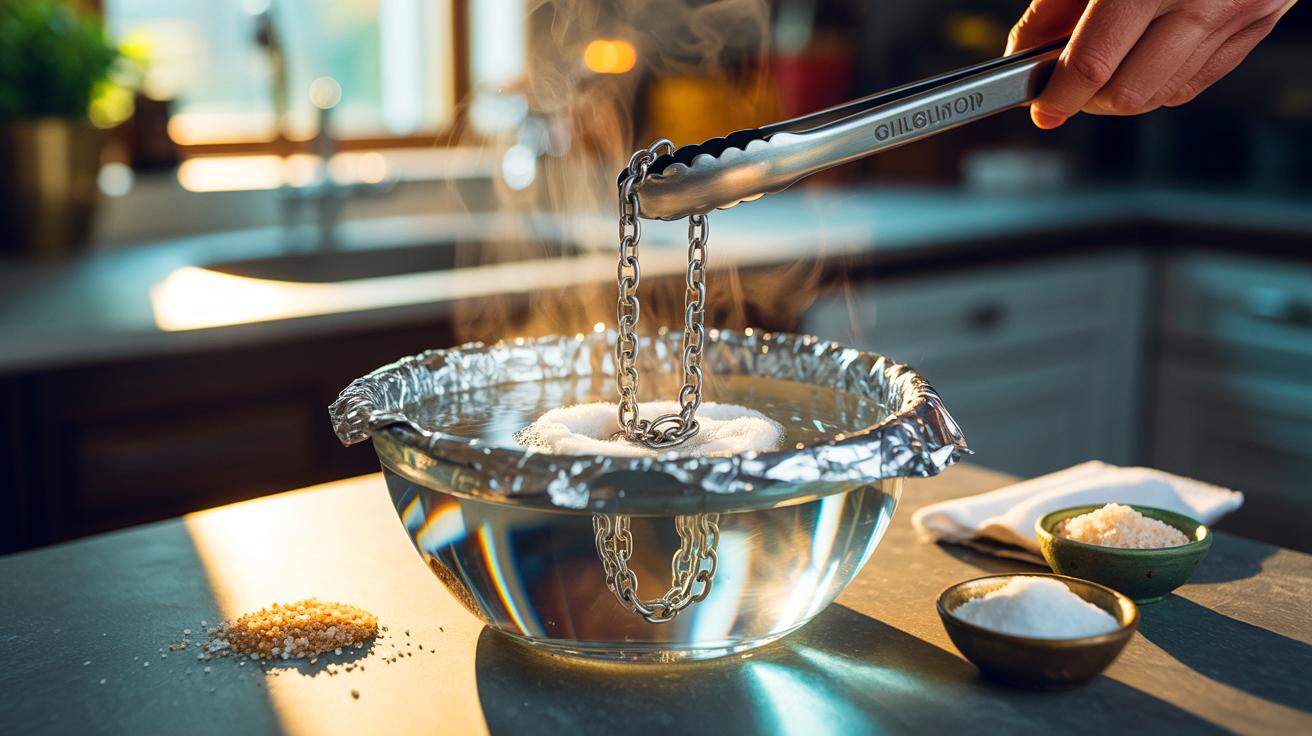
Gather a heat-safe bowl, a square of aluminum foil, very hot water (just shy of boiling), and a mix of baking soda and plain salt—about one tablespoon of each per cup of water. Line the bowl with the foil, shiny side up, lay in your silver so pieces touch the foil, then carefully pour in the hot water and dissolve the powders. You’ll catch a faint smell, like eggs. That’s the sulfur leaving your jewelry. Wait two to five minutes, flip pieces with tongs if needed, then rinse with cool water and dry thoroughly with a soft cloth.
Do not use this process on jewelry with porous stones (turquoise, opal, coral), glued settings, or pearls, as heat and chemicals can damage them. For those, a gentle wipe with a damp cloth is safer. The foil-bath trick excels on solid sterling silver (925) chains, rings, and bangles. It’s also perfect for intricate pieces where a polishing cloth can’t reach. Work in small batches and dry pieces completely—moisture invites new tarnish. Finish with a final buff using a clean microfiber to amplify the fresh shine.
Why This Works: The Science Behind the Shine
Tarnish is not grime; it’s silver sulfide, a chemical reaction between silver and sulfur compounds floating in air, from wool sweaters to certain rubber bands to everyday pollution. That blackish film locks onto the surface. The foil-bath reverses that process through a mild electrochemical reaction. Aluminum is more reactive than silver. In hot water with dissolved salts, the aluminum donates electrons to the silver sulfide, converting it back to metallic silver while the sulfur bonds with aluminum instead. In plain terms: the sulfide abandons your jewelry and clings to the foil.
The beauty of this method is that it restores silver rather than grinding it away. Classic abrasive polishing literally removes a thin layer of metal to erase tarnish—a fine solution in moderation, but not forever. Here, the silver stays put. The baking soda and salt mostly help conduct ions and balance the solution; they are not the primary cleaners. That rotten-egg whiff? It’s hydrogen sulfide released during the transfer. Ventilate, keep the water hot but not violently boiling, and resist the urge to leave items in for long stretches—once bright, they’re done.
When to Use Polishing, Not Chemistry
Some pieces should not take a dip. If you love the deliberate dark crevices on an oxidized ring—the “antique” look—the foil bath may lighten that patina. Likewise, silver-plated items can be tricky: the process won’t magically thicken a thin plate, and heavy tarnish can reveal the base metal underneath. In these cases, a targeted approach is better. Use a treated polishing cloth on high spots, skip the recesses to preserve depth, and avoid aggressive compounds that can strip detail.
Gemstones change the rules. Porous or soft stones—pearls, opal, amber, turquoise, lapis—hate heat and chemicals. For mixed pieces, stick with lukewarm water, a drop of mild dish soap, and a short, gentle wipe. Dry immediately. Hinged bracelets with delicate springs, hollow-form earrings, or items with glued components should also skip the bath; heat and chemistry can weaken adhesives and trap moisture. When in doubt, clean the silver parts with a cloth and a steady hand, leaving artful shadows intact.
| Method | Best For | Avoid On | Time Needed |
|---|---|---|---|
| Foil + Hot Water + Baking Soda | Solid sterling chains, rings, bangles, filigree | Pearls, porous stones, glued settings, intentional patina | 5–10 minutes |
| Polishing Cloth | Spot brightening, preserving patina, plated items | Deep crevices, heavy tarnish | 5–15 minutes |
| Mild Soap + Water | Mixed-metal or gemstone pieces | Severe tarnish | 5–8 minutes |
Storage Habits That Keep Silver Looking New
Once your jewelry gleams, protect it. Air is the culprit, not everyday wear. Store pieces in small airtight bags, each with an anti-tarnish strip or a pinch of baking soda wrapped in tissue. Add silica gel packets to keep humidity down. Keep rubber bands, felt with sulfur, and household cleaners far away. Yes, even the kitchen—the same eggs that perfume brunch release sulfur that speeds tarnish. Wear your silver often; skin’s natural oils can slow oxidation. But remove pieces before chlorinated pools, hot tubs, bleach sprays, and beauty routines.
Make it a ritual. Last on, first off: jewelry after lotion and perfume, before the door. A quick wipe with a soft cloth at day’s end resets the clock. If you love the kitchen trick, think seasonal maintenance rather than weekly overkill. Too much exposure to heat and solutions invites risk for complex designs. Label storage, separate chains to avoid knots, and keep a polishing cloth handy for fast touch-ups that take seconds, not hours.
We tested this “old” method against modern polishes, and the results still thrill: deep tarnish gone, filigree bright, details crisp. It’s cheap, quick, and oddly satisfying, like watching time reverse in a bowl of hot water. The secret isn’t secret at all; it’s smart chemistry applied with care. Handle your treasures with respect, clean them with intention, and store them against the air that wants them dull. What’s your next piece you’re ready to revive—and what story will it tell once it shines again?
Did you like it?4.5/5 (21)
Just tried this on my tarnished 925 chain and wow—back to mirror shine in under five minutes. The eggy whiff was real, but so was the sparkle. Thanks for the clear steps and safety notes.
Quick question: if a bracelet is silver-plated but only lightly tarnished, should I skip the foil bath entirely and stick to a treated cloth, or is there a gentle middle ground?
The rotten-egg smell made my whole kitchen feel like brunch chemistry class. Worth it for the bling resurrection, though. Next time I’m timing it like noodles—al dente shine, not overcooked sparkle 🙂
Appreciate the gemstone warnings. I’ve got a turquoise inlay ring and almost tossed it in—glad I didn’t. For mixed pieces, the mild soap plus quick dry tip is gold-level advice.
Pro tip that helped me: heat water in a kettle, pour carefully, and use silicone-tipped tongs so jewelery doesn’t scratch. Also, line the bowl tightly—loose foil made patchy contact once.
This brought back memories of my nona polishing Sunday earrings on the stove. Same foil, same baking soda, same quiet wow when the gray faded. Love seeing the science explained so plainly.
How often would you repeat the bath for everyday-worn rings? Monthly, seasonally? I’m adding anti-tarnish strips to my storage, but I’d like a cadence that keeps shine without overdoing the soak.
Is there any harm if pieces accidentally sit for, say, fifteen minutes? I got distracted last time. They looked fine, but I worry about adhesives in hidden spots or trapped moisture afterward.
Tried the reciepe tonight: alumnium foil, very hot water, baking soda + slat. Two minuts in and the black came off like a magic trick. Rinsed, dried, buffed—shinnier than my patience.
Backstage we used exactly this between scenes—foil tray, kettle steam, chain in, chain out, sparkle on. The electrochemical bit always felt like wizardry with a lab coat. Thanks for the refresher.
Before-and-after pics are insane—my filigree ring looks newly bought. Five minutes, zero scrubbing, just science. Adding silica gel to the jewelry drawer next. Thank you for the crystal-clear guide! 🙂
Curious: would this be safe for old silver coins or flatware, or should those stick to gentle soap and a cloth? I don’t want to erase history while chasing shine.
Brilliant walkthrough. You really managed to foil the tarnish plot and sprinkle just enough science to make it stick. Bookmarked for the next rainy-day cleaning spree and gift-prep marathon.
“Last on, first off” is such a keeper. It finally explains why my rings looked tired after lotion. New habit: wipe, bag, strip—then sleep.
For anyone storing multiple chains: separate them in tiny zip bags with an anti-tarnish tab and a teeny bit of tissue. Less tangling, less air, way fewer morning tangles and sighs.